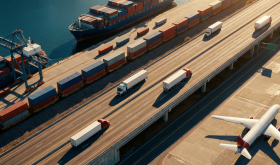
The global supply chain is shifting gears and embracing a major tech evolution. Post-pandemic challenges, changing customer demands, and an unpredictable economy are pushing the industry to move away from its outdated manual systems. Now, it aims for intelligence, speed, and more adaptability. This big shift leans on three key trends: smarter AI-powered logistics, faster use of automation in warehouses and loading areas, and steady backing of Southeast Asia’s growing micro-supply chain networks. Tying all these together is the advanced Transport Management System. It is no longer just a simple tool for mapping routes but has turned into the main control hub for today’s supply chain.
The Dawn of AI-Native Logistics
The idea of being “AI-native” marks a big change. Instead of adding artificial intelligence later, logistics now gets designed from the start with AI as a main part. This isn’t a small update; it’s a whole new way of thinking about how to move goods.
Older logistics methods depended on past data and human instincts to predict demand, plan deliveries, and handle stock. AI-native systems, with help from powerful technology provided by companies like NVIDIA, rely on machine learning, advanced analytics, and deep learning to handle massive real-time data. They do more than just look at last year’s numbers. They pull insights from things like current weather events, news about port delays, social media activity, traffic data, and global issues to make smarter and quicker choices.
An AI-driven platform can do several things.
- It can predict sudden increases in demand to help businesses position inventory ahead of time and prevent running out of stock.
- It adjusts routes in real-time to save fuel and reduce carbon emissions. It also takes toll expenses, traffic, and possible delays at loading docks into account.
- It helps with predicting maintenance needs for fleets by examining engine data to spot issues before they lead to expensive interruptions.
This technology builds a supply chain that works while also predicting and fixing problems on its own. The transport management system plays a key role as the system that takes in this AI-based information and puts it into action. It turns forecasts into real tasks like choosing carriers, assigning routes, and sending load requests. It makes what AI “thinks” turn into real-world actions.
Rapid Automation Adoption: From Warehouses to the Yard
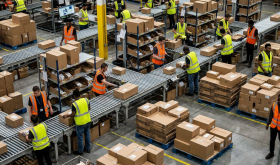
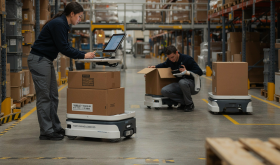
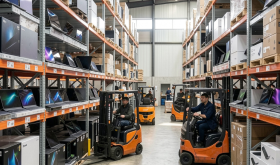
While AI focuses on planning, machines are changing how tasks get done. The push for more automation comes from the lack of workers, the need to move faster, and the goal to avoid mistakes. Companies like Addverb Technologies lead this change by offering advanced robots that work together with people.
Automation inside warehouses does much more than running conveyor belts. It has taken a leap forward with:
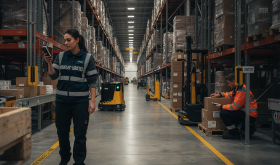
- Mobile Robots: Autonomous mobile robots and goods-to-person systems now bring shelves to workers. This cuts down walking time and helps workers pick items faster.
- Automated Storage and Retrieval Systems: These dense robotic systems handle storing and retrieving bins or pallets with great accuracy, making the most of storage space.
- Robotic Sortation and Packaging: Robotic arms powered by AI and vision systems can sort packages, build pallets, and pack items quicker and more than humans.
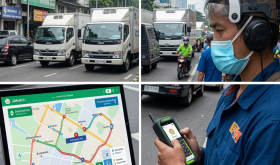
The yard, which people often overlook as a bottleneck, is now receiving a high-tech upgrade. AI and IoT sensors power dock management systems, which are part of the larger transport management system. These systems offer a real-time view of trailers, drivers, and dock doors. They handle gate check-ins automatically, improve the scheduling of dock doors, and guide drivers to the correct locations. This all helps cut down on detention times and reduces demurrage expenses.
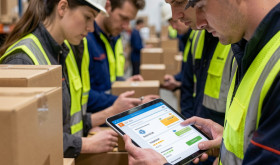
Automation in warehouses and yards produces a stream of useful data about stock levels, order progress, and how equipment is performing. A modern transport management system links with these automated tools and relies on this data to give customers accurate delivery times, start shipments at the right moment, and align first and last-mile delivery with the optimised operations within the facility.
The Southeast Asian Micro-Supply Chain Boom
The third big trend focuses on geopolitics and strategy. Companies are working to avoid depending too much on one region after recent disruptions taught hard lessons. To address this, they are spreading out their manufacturing and sourcing operations. Southeast Asia is gaining the most from this shift, with nations like Vietnam, Thailand, Malaysia, and Indonesia attracting a steady stream of investment.
This change is not only about building huge factories. It focuses on setting up flexible and strong, smaller supply chains. Instead of relying on a single enormous plant to serve the whole world, businesses are creating connected production centres closer to customers. This “China Plus One” approach cuts shipping times, reduces tariff risks, and boosts adaptability.
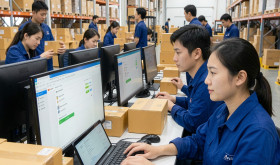
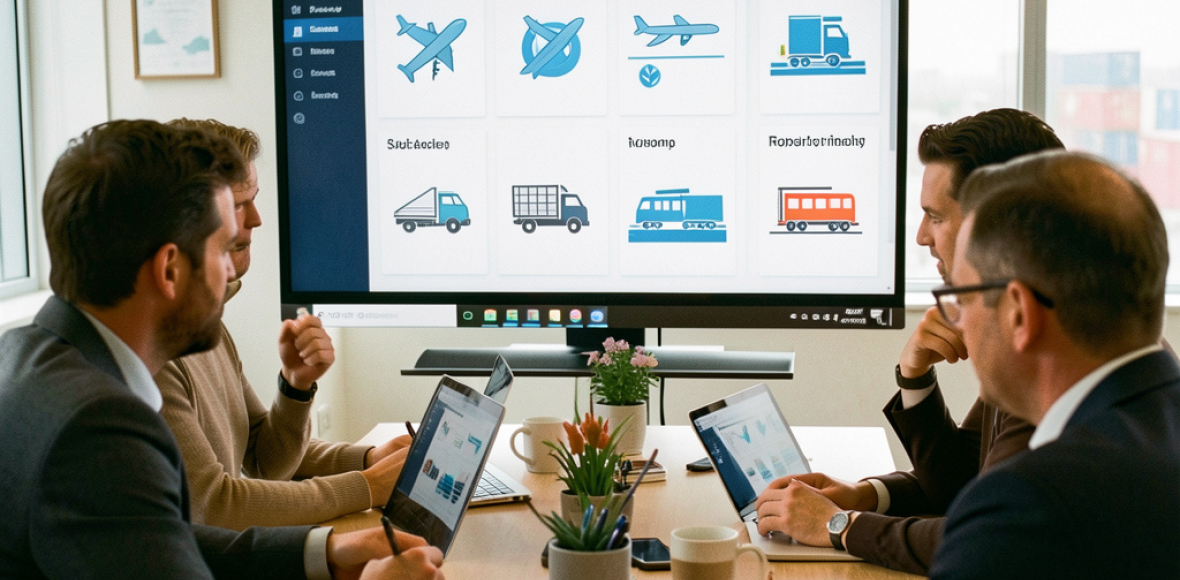
Managing a web of micro-supply chains spread across different countries is a tough challenge. Each nation has its own infrastructure, rules, and customs processes. A reliable and cloud-based transport management system becomes essential to handle it all. It offers the control and oversight required to tackle these challenges:
- Managing Multiple Carriers: It serves as one platform to handle various regional and local parcel, LTL, and FTL carriers in different nations.
- Handling Customs and Compliance: Built-in tools help ensure documents are correct, making customs clearance smoother and preventing expensive delays.
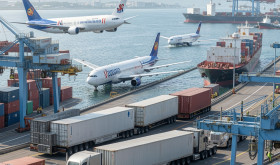
- Complete Visibility: It allows tracking shipments in real time, whether it’s moving from a factory in Vietnam to a distribution hub in Malaysia or reaching a retail store in Singapore—all on a single screen.
The transport management system keeps all these scattered micro-operations working together as one smooth, effective global system. It makes sure that the flexibility achieved through diversification doesn’t turn into disorganised mess.
The Confluence: A Smarter and More Connected Future
These three trends are tied; they don’t stand alone. Automation in a warehouse provides accurate, up-to-date data. This data feeds AI algorithms, which might operate on NVIDIA’s hardware, to decide things like where to place inventory or how to plan the best delivery routes. This smart setup becomes part of a larger micro-supply network spread across Southeast Asia. A central transport management system controls the whole system to make well-rounded and efficient decisions for the entire network.
Logistics will soon work as a smart, connected, and self-improving cycle. AI acts as the brain, automation serves as the strength, and flexible regional networks form the moving body. The transport management system now acts like a command hub, much like a circulatory system, linking everything to keep data, decisions, and goods flowing. This mix of technologies is building the strong, quick, and efficient supply chains that today’s global economy needs.
« Navigating New US Tariff Policies: How a WMS Helps Protect Margins and InventoryFrom Search-First to Agent-First: Why Fashion Brands Need a Strong Order Management System »