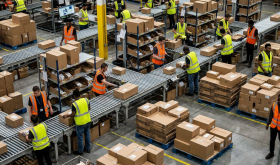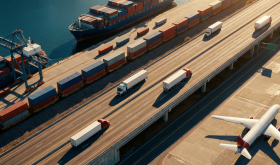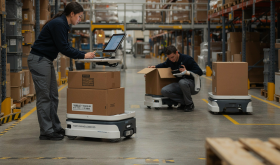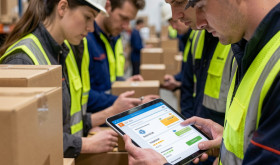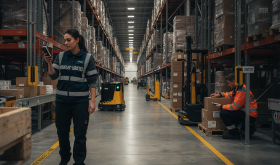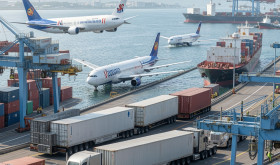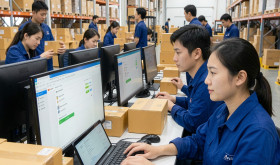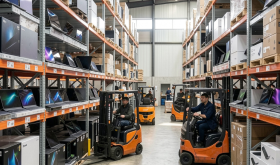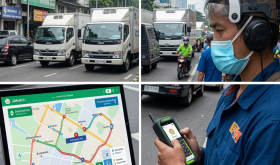
A hot topic in Southeast Asia right now is the booming growth of cross-border e-commerce and the digital trade systems building up around it. The region’s digital economy is growing at an incredible rate, with shoppers changing how they buy just as fast. Social commerce shopping from phones, online stores, and video-driven purchases are changing how people find, compare, and shop for products across ASEAN countries. This surge in online demand creates more than just business possibilities for sellers, manufacturers, delivery companies, and suppliers. It also brings the challenge of moving products quicker, with greater accuracy, and better tracking between countries. This is why transport management systems have become vital technology for businesses across Southeast Asia today.
A transport management system does more today than just assigning trucks, printing delivery papers, or making shipping labels. In Southeast Asia, it acts more like a central digital hub controlling transport operations. It helps with planning shipments, choosing carriers, optimizing routes, tracking orders, managing exceptions, and keeping costs in check within a region filled with fragmented and tricky logistics networks. This is important because Southeast Asia isn’t a simple unified market. The region includes multiple customs systems, varying infrastructure qualities, uneven levels of digital growth, diverse languages, and challenging landscapes in countries like Indonesia or the Philippines. A company aiming to expand in a region without a reliable transport management system will deal with higher shipping costs, weak tracking, slower reactions, and uneven delivery results. This topic matters a lot right now because the region is experiencing not just growing online demand but also laying out the policies and digital tools to enable quicker and smoother cross-border trade. Governments and regional groups in ASEAN are working to improve interoperability, adopt electronic documents, ease customs operations, and link up digital systems. Logistics operators find themselves in a space that’s growing more digital, more connected, and better driven by data. A transport management system can play a major role here by turning these regional efforts into actual improvements. It helps businesses link their planning with execution while making faster calls using live data from shipments, carriers, and routes.
Southeast Asia’s future trends seem to point in the same direction. The region is shifting to smarter, stronger, and AI-powered trade and transport networks. This shift is critical because using outdated processes won’t help businesses stay competitive in the future. Companies that still depend on spreadsheets separate carrier portals, and manual communication will face challenges as shipping demands grow and customers expect more. On the other hand, businesses that put resources into a modern transport management system gain a better digital foundation to grow in the region. They can handle growing complexities, respond faster, and adopt new tech like AI and automation as needed.
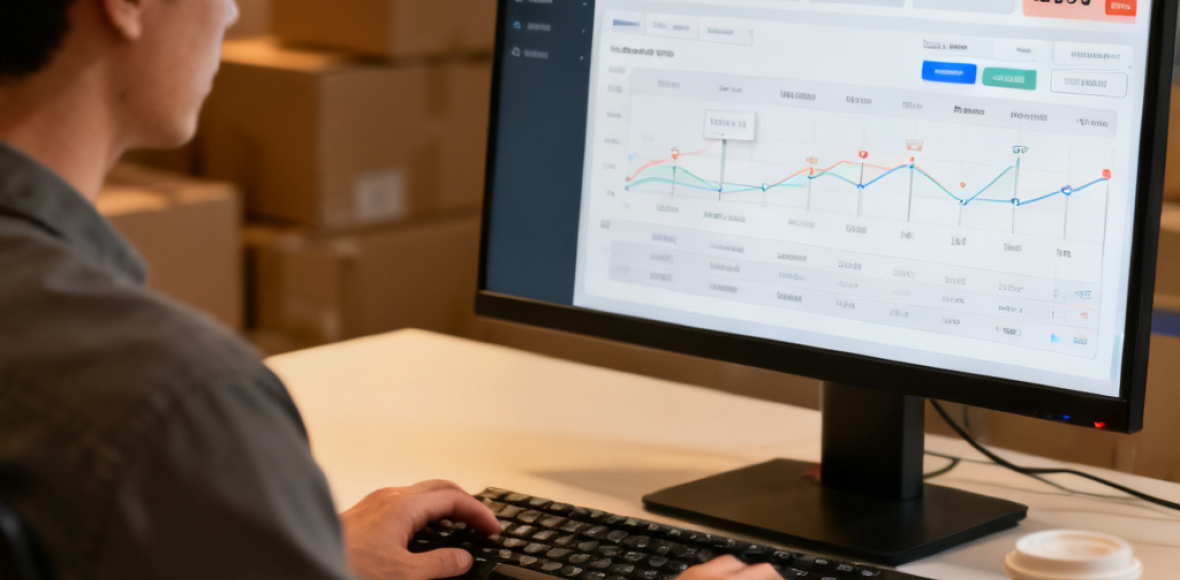
The transport management system is crucial here because it provides visibility. In Southeast Asia, supply chains deal with many handoffs—through warehouses, ports, airports, customs, carriers, and last-mile delivery partners. Each handoff creates chances for delays, missing info, or miscommunication. A scattered shipment process makes a unified transport system even more important. This system collects data from different carriers and transport modes, gives better arrival time estimates, reduces blind spots, and helps teams understand the situation as it unfolds. In e-commerce, visibility has shifted from being just a useful feature to a necessity, with consumers demanding real-time parcel updates and tighter delivery timelines being advertised. It plays a role in shaping the customer experience. Managing costs is a key reason this topic is gaining attention. E-commerce in Southeast Asia is growing, but that growth squeezes profit margins. Logistics managers understand that transportation is one of the quickest ways costs can spiral out of control. Without a solid transport management system, teams may pay extra for rush orders, fail to use their fleet, choose less efficient carriers, miss chances to combine shipments, or waste time fixing preventable mistakes. While these issues aren’t always huge, they stack up fast. A good transport management system helps businesses save by automating carrier decisions, comparing prices better, planning routes, boosting load usage, and cutting down on human errors that eat into profits. In a market where competition is tough, having this level of control can matter.
The need for a transport management system stands out even more in big and complicated markets like Indonesia. In these places, logistics depend not on physical infrastructure but also on things like consistent performance dealing with last-leg delivery issues, traffic jams, and uneven service quality across regions and islands. Managing transport decisions through manual coordination doesn’t work well in such settings. Companies require tools to plan shipment routes, decide the best time to combine orders, figure out where to keep inventory, assess which carriers perform well on certain routes, and respond to delays that could mess up customer promises. In a market where unpredictability hides extra costs and risks, a transport management system becomes a tool not just for logistics but also to manage risks.
The increasing importance of omnichannel fulfilment brings a new dimension to this topic. In Southeast Asia many companies no longer cater to one channel. They might handle shipments to retail stores, provide supplies to distributors, deliver to consumers, and manage marketplace sales all at once. Each of these channels comes with unique transport needs, customer expectations, and order patterns. A transport management system gives businesses a single place to handle transportation for all kinds of orders and clients. This becomes even more crucial as companies focus on expanding across the region and aim to offer consistent service in several countries.
AI plays a big role here. Southeast Asia’s digital economy relies more and more on AI automation and data to guide decisions. This opens new doors for logistics companies. It’s not just about getting a transport management system anymore. The next move is to switch to a system powered by AI. These systems might offer things like predicting ETAs, finding quicker routes, detecting issues, assigning carriers, and planning transport around demand trends. AI helps operators act quickly to shifts, spot issues sooner, and use resources more. But AI can’t do much on its own. It needs the right setup and clear connected data to work well. Often, that foundation comes from having a good transport management system in place.
Businesses should view the transport management system as a strategic choice, not just a simple software buy. It has a direct impact on service efficiency, operating expenses, customer happiness, flexibility, and ability to grow. In Southeast Asia, as cross-border trade rises and online shopping becomes more advanced, companies need more than just tracking tools. They require systems with smart transport features. These tools must help improve planning, enhance execution, and adjust when changes happen.
The main point is simple. Cross-border e-commerce in Southeast Asia goes beyond being a popular trend for shoppers. It tells a bigger story about changes in logistics. As countries in the region grow more interconnected, more tech-savvy, and more demanding, having a solid transport management system becomes vital to grow. This system links orders with movement, turns data into actions, and helps carry out strategies. To compete and succeed in the next stage of Southeast Asia’s digital world, businesses need to invest in the right transport management system. It is no longer just a choice but one of the best ways to gain better visibility, cut costs, improve flexibility, and expand across the region.
« Beating Overselling and Rising Costs in Indonesia with a Smart Order Management SystemDecoding the Fulfillment Crisis: How a Warehouse Management System Tames the Chaos of Omnichannel Distribution »