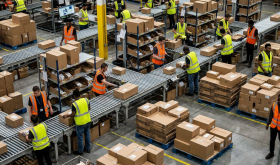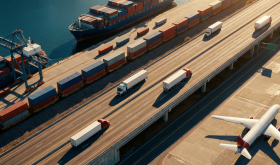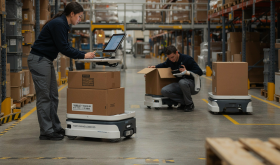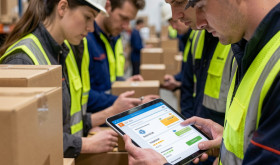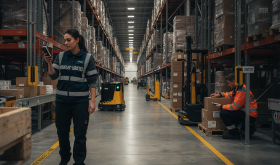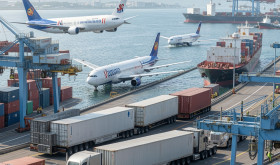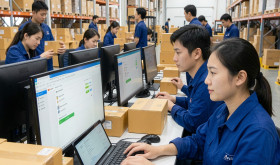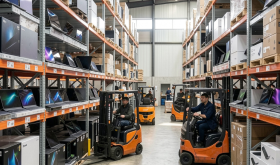
In the Asia-Pacific region, logistics and air cargo are going through big changes. The region plays a key part in the rise of global cargo relying on solid manufacturing systems, growing cross-border e-commerce, and ongoing upgrades to airports, warehouses, and cargo-handling systems. Meanwhile artificial intelligence is shifting from being just an experiment to being used practically. This shift is noticeable in busy workplaces where speed, reliability, and accuracy are crucial. One digital tool has become important in this transition: the warehouse management system.
Many logistics companies see AI as full of potential but using it can be much tougher than it sounds. Business leaders might see the possibilities in predictive analytics intelligent automation, computer vision, and agentic AI. The bigger struggle though, comes with using these tools to make every day work better. That’s why warehouse management systems have become a key focus. These systems link inventory, labour, slotting, picking, replenishment, shipment prep, cargo staging, and overall warehouse execution. Adding AI to a solid warehouse management system helps businesses move from reacting to taking smarter forward-thinking, and more automated actions. In APAC’s logistics and air cargo industries, this shift is growing in business importance as they deal with rising shipment numbers shorter service deadlines, and trickier supply chains with multiple points of operation.
The current moment is a good time for change. Logistics and air cargo in the Asia-Pacific are going through big changes. The region drives global cargo growth thanks to its strong manufacturing hubs more international online shopping, and consistent spending to improve airports, warehouses, and cargo systems. Meanwhile artificial intelligence is no longer just being tested but is now being used in real-world operations. This is true in fast-moving environments where precision and speed are critical. In all this change, one key technology takes the spotlight: the warehouse management system.
AI seems like a great idea to many logistics operators but using it can be much harder than it sounds. Business leaders might recognise what tools like predictive analytics smart automation, computer vision, and agentic AI can offer. The tricky part is figuring out how to use them to make daily work better. This is one big reason a warehouse management system has become such a key focus. This system ties together different parts of the operation like inventory, labour, storage arrangements, order picking restocking organising shipments preparing cargo, and running the warehouse. When businesses strengthen a warehouse management system by adding AI, they can move away from just reacting to problems and start making predictions and decisions that need less human involvement. In logistics and air cargo across APAC, this change holds growing commercial importance as companies manage bigger shipment loads stricter delivery timeframes, and more intricate supply chains with multiple stops. The moment feels right to make this shift. Across Southeast Asia and the broader APAC region, businesses are showing more interest in moving from small AI experiments to gaining real practical value. But turning top-level excitement into tangible results remains a challenge for many companies. This challenge is important. It means the question is no longer about whether AI is important, but about deciding its most important use. In logistics, the answer often points to operational tools like the warehouse management system. Here, companies can measure benefits such as faster processing better worker efficiency smarter use of space more accurate inventory tracking, and easier handling of issues. Companies tend to see better results when they add AI into their main systems instead of treating it as some separate project.
Air cargo makes an even better case for this method. It’s a high-speed, time-critical industry that needs precise coordination between cargo terminals, warehouses, airlines, ground handlers, freight forwarders, and customs paperwork. This sector has leaned on scattered information systems and paper-based processes. As digitalisation grows, the warehouse management system has evolved beyond being just a tool for managing warehouse operations. It is now part of a broader digital framework that links physical cargo handling to data, compliance needs, partner collaboration, and tracking shipments. It’s becoming a key point to apply operational intelligence.
Where does AI make the most difference? First, it has a huge role in improving how warehouses operate. Using a modern warehouse management system, AI studies movement trends, finds congested areas, suggests smarter storage plans, anticipates restocking needs, and spots bottlenecks before they disrupt shipping schedules. This is helpful in busy facilities where even minor delays can mess up flight schedules, shipping promises, and customer satisfaction. With better insight, teams can stop just fixing issues as they come up and start preventing them ahead of time.
Second, AI boosts the ability to plan well. The success of warehouse and cargo operations relies on solid planning. Things like figuring out labour needs deciding on equipment use, handling shipment types, assigning storage, and scheduling docks all need to work together. AI models hooked into the warehouse management system use past and current data to predict things like incoming rushes, staff requirements, and equipment needs. This makes planning less reliant on rough estimates or rigid rules and more accurate. In action, this could lead to smarter use of resources less unnecessary overtime better dock use, and steadier performance when demand is high.
Third, AI improves how tasks get done. A key benefit of using intelligence in a warehouse management system is the ability to set task priorities. Teams rely on AI-based suggestions to choose what items to pick, pack, stage, build, or move first. These decisions depend on factors like urgency, flight timings, customer importance available dock space, and the state of the warehouse. In APAC’s fast-paced logistics markets, this leads to fewer manual efforts smoother operations, and more consistent service. Companies can move past scattered decisions from many managers and shift to more organized and system-driven workflows.
Air cargo operators can use AI with the warehouse management system to plan loads better and organize cargo more. This is an area where the benefits are easy to notice. Placing cargo in smarter ways using space better, and handling items in a more efficient order can boost the speed of operations and make the most of storage capacity. Companies do not always need to replace their current systems to make this happen. Often, improving an existing warehouse management system by adding AI tools that address specific challenges is a wiser choice. This option creates less disruption, makes it easier for teams to adapt, and helps businesses grow their improvements instead of taking risks with a full system replacement.
This lesson spans across APAC. AI in logistics is not just about getting the latest software or adding chatbots to current processes. It focuses on rethinking decisions and streamlining workflows by using a smarter warehouse management system and making sure employees can act on improved data. This bigger idea is key because technology alone will not bring change. True change happens when people, systems, and processes work together. If warehouse teams still use old workflows, rely on poor data practices, or lack accountability, AI cannot solve those problems by itself. However, when a solid warehouse management system is already running, AI can boost its value and widen its reach.
Logistics and air cargo in Asia-Pacific are stepping into a fresh phase of change. The region remains a key driver of global cargo expansion fuelled by strong manufacturing systems booming cross-border online shopping, and ongoing spending to improve airports, storage facilities, and cargo operations. At the same time artificial intelligence is no longer just a concept—it is being put to use in demanding environments where speed, precision, and reliability are critical. In this transition, one digital tool remains at the heart of it all—the warehouse management system.
To many logistics companies, AI looks great on paper but feels harder to make work. Managers might see the value in tools like predictive analytics smart automation, computer vision, and agentic AI. The tough part is finding ways to use those tools to make daily tasks run better. This is why the warehouse management system has taken on such importance. The system ties together inventory, staffing, slotting, picking, restocking, shipment prep, cargo staging, and overall warehouse activity. Adding AI to a solid warehouse management system helps businesses move from just reacting to problems toward predicting issues and making smarter more automated choices. In APAC’s logistics and air cargo industries, this change is gaining commercial importance. Companies now manage bigger shipment loads shorter delivery times, and more complicated supply chain networks involving multiple points. Sure! Please provide the text you’d like me to rewrite, and I’ll follow your instructions. The timing to start this shift is perfect. In Southeast Asia and across the APAC region, companies are getting more serious about turning AI projects into actual results. But a lot of organisations have trouble taking leadership’s excitement and turning it into tangible results. This issue is important. It shows the focus has shifted from whether AI is important to figuring out where to use it first. For logistics companies, a smart starting point is often their operational systems like the warehouse management system. These systems make it easier to track improvements in handling throughput, worker productivity, storage space use, inventory checks, and dealing with problems. Instead of treating AI as some separate innovation project, businesses tend to find more success when they weave intelligence right into the heart of their execution systems.
In air cargo, this method becomes even more valuable. The sector operates at a fast pace and often deals with tight deadlines. It relies on precise coordination between cargo terminals, warehouses, airlines, ground crews, freight companies, and customs paperwork. Air cargo has depended a lot on scattered data systems and manual, paper-based methods. With growing digitalisation, the warehouse management system is no longer a simple tool for storage. It is now evolving into a key digital platform that links cargo handling, data management, compliance rules, teamwork between partners, and tracking shipments. It is turning into one of the main places where operational insights are put to work.
Where does AI make the most difference? First, it boosts how well warehouses can be monitored. AI in a warehouse management system review how items move, spots areas with congestion, suggests smarter storage strategies, forecasts when restocking will be needed, and finds problem areas before they mess up delivery schedules. This helps a lot in busy warehouses where even tiny delays can mess with flight deadlines, shipping promises, or customer satisfaction. With better monitoring, workers can stop just fixing issues as they pop up and start predicting and avoiding them instead.
AI enhances how well plans are made. Successful warehouse and cargo work relies on strong planning. It requires syncing things like worker needs, equipment, types of shipments, space use, and dock timing. With the help of AI built into the warehouse management system, businesses can predict spikes in incoming goods, staffing needs, and equipment usage by analysing past and real-time data. This makes plans more precise and reduces the reliance on educated guesses or fixed rules. In simpler terms, it helps companies use resources better, reduce overtime, make docks more efficient, and maintain steady service when demand increases.
Third, AI boosts how tasks get done. A keyway it helps in a warehouse management system is by prioritizing tasks. Teams rely on AI-based suggestions to figure out what needs to be picked packed, staged, built, or moved first. These choices depend on things like urgency, flight times, customer importance, dock capacity, and current warehouse situations. In the rapid-paced APAC logistics markets, this means cutting down on manual work making processes smoother and improving service consistency. Instead of having scattered decisions made by various supervisors, companies can shift to a more organized approach led by the system.
To boost load planning and cargo build-up, air cargo operators can use AI integrated with the warehouse management system. This is a key area where operational benefits show . Placing cargo smartly using space better, and sequencing handling activities more help move goods faster and make the most of available capacity. Often, businesses don’t need to replace current systems to achieve this. A practical solution is to upgrade the existing warehouse management system with AI tools that tackle specific operational challenges. This method avoids large disruptions, makes it easier to adopt, and lets companies grow their transformation one step at a time instead of taking the risky route of replacing everything at once.
This lesson applies throughout APAC. Using AI in logistics isn’t just about getting the latest software or adding a chatbot to existing systems. It’s about rethinking decisions and reshaping how workflows function with a smarter warehouse management system. At the same time, the workforce needs the tools and knowledge to make sense of better information. The bigger picture here is that technology by itself doesn’t bring true transformation. Real change happens when systems, workflows, and people work together. If a warehouse team still relies on outdated processes disorganized data, or lacks clear accountability, AI won’t solve those problems. But if there’s already a strong warehouse management system in place, AI has the potential to boost its value and make its influence even greater.
APAC businesses gain strategic advantages from using a warehouse management system because of the region’s complexities. Operators deal with things like cross-border logistics customs that differ between countries uneven digital progress varying facility quality, and fast-growing e-commerce demands. While some sites rely on automation, others still depend mostly on manual labour. Certain partners provide clear digital data, yet others do not. In this type of setup, using an isolated AI tool might fix one specific problem, but it becomes hard to expand if the operational data stays scattered. When the warehouse management system acts as the main data and execution layer, it allows AI to enable more diverse outcomes. This includes quicker receiving better accuracy in tracking inventory smarter organization of storage improved handling of exceptions more effective pallet and ULD assembly, and enhanced visibility for customers. Customer demands are growing making the warehouse management system crucial. In B2B logistics and air cargo, people now expect quick service clear updates, and reliable delivery. They want fewer mistakes and faster solutions when issues come up. Relying just on manual work can’t keep up with these rising needs. A modern warehouse management system built with AI, helps operators run smoother and more efficient operations. This does not streamline tasks within the warehouse but also enhances the experience customers have outside of it.
Another key factor is resilience. APAC logistics systems face challenges like fluctuating demand, labour shortages seasonal rushes bad weather crowded networks, and shifting customer needs. Resilience isn’t about being prepared with backup plans. It depends on systems that help operations adjust fast. A better warehouse management system builds that flexibility by enhancing the accuracy of data, speeding up decisions, and improving how everything works together. Adding AI makes these systems even stronger by helping spot risks, reshuffle priorities, and act faster to prevent problems from worsening.
The future of logistics and air cargo in APAC won’t just depend on the buzz around AI. It will rely on how well companies tie AI into practical everyday operations in a smart and profitable way. To do this, they need to start with solid data efficient workflows, and clear business goals. They also need to focus on use cases that add real value ones where the warehouse management system acts as the key support for operations. Businesses that manage to get this right will be in a stronger position to cut delays, boost service reliability, make better use of space, improve worker efficiency, and handle disruptions more.
Asia-Pacific has a clear growth opportunity. It will likely stay a top force driving global air cargo expansion. Air cargo facilities are shifting focus toward automation better connectivity, transparency from start to finish, and AI-based optimisation. In this shifting landscape, the warehouse management system is no longer just a tool to support operations. It now acts as the brain of the warehouse and is becoming a critical intelligence hub for the broader cargo network. To stay ahead, APAC logistics leaders may not need to deploy AI everywhere right away. They could gain a competitive edge by focusing on where AI delivers the most value—inside a warehouse management system that transforms raw data into quicker, smarter, and more flexible operations.
« The Iron Silk Road Reborn: How a Transport Management System Will Power Cambodia’s Railway ModernisationBeating Overselling and Rising Costs in Indonesia with a Smart Order Management System »