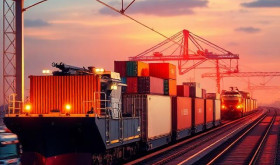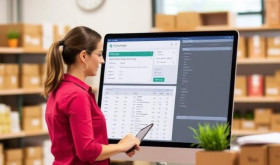
Transport and logistics expenses stand out as a major economic hurdle for businesses in 2025–2026. Fluctuating fuel prices worldwide, disruptions, and increasing labour and compliance expenses have made the situation worse. Amid these challenges, businesses can use a transport management system as an effective and data-focused tool. It helps companies reduce costs, improve operations, and maintain profits all while ensuring top-notch customer service.
The economic challenge: rising transport and logistics costs
Global and regional supply chains deal with constant cost pressures coming from many directions. Higher fuel prices, limited capacity, rising wages, and tough cross-border rules all play a role. Transportation takes up a major chunk of these costs and often fluctuates the most. A lot of companies still rely on spreadsheets, phone calls, and outdated systems to manage transport. This approach creates issues like empty trucks, inefficient load usage, and unnecessary fines, which hurt profits. To compete, businesses need to switch from manual last-minute transport planning to a smarter system. A centralised tool can help them make every trip and shipment more efficient.
Introducing Y3 Transport Management System
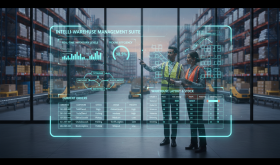
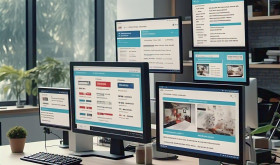
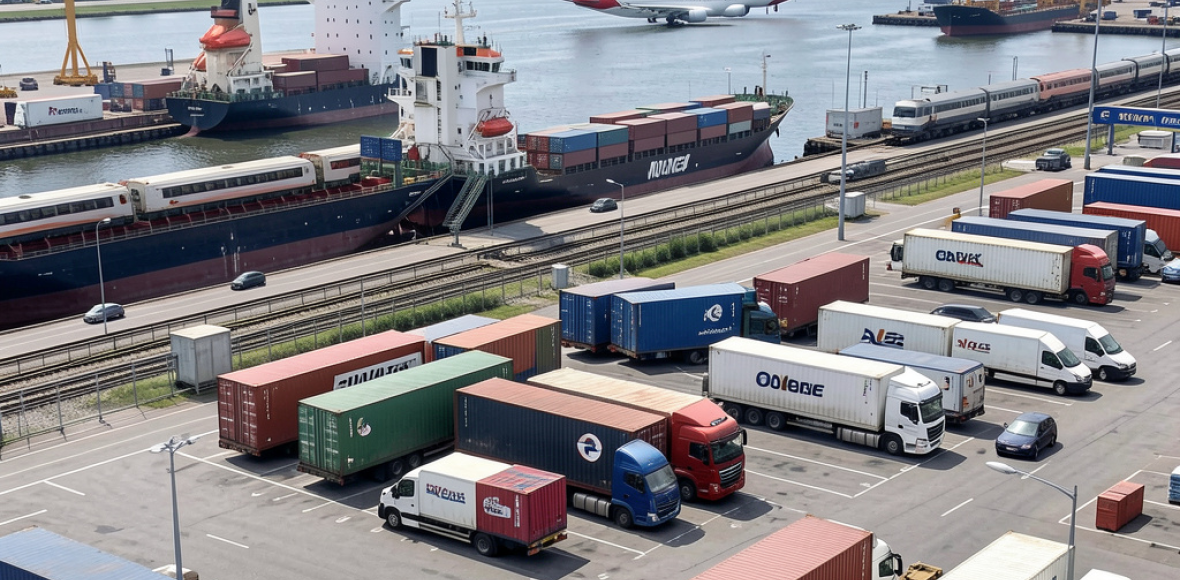
Y3’s Transport Management System is a cloud tool designed to simplify and automate transport tasks, from planning routes to tracking performance. It works for different types of transport, letting users handle deliveries by air, sea, and land, including international and last-mile shipments, all in one place. Y3’s Transport Management System brings transport data together in one hub, removing isolated info from dispatch teams, carriers, warehouses, and customers. With this combined view, companies can make smarter choices, react quicker, and keep service levels steady even when costs or conditions change.
Cutting costs with route optimisation and load planning
Y3’s Transport Management System tackles cost challenges by focusing on smart route planning. Strong algorithms help it assess factors like distance, traffic, delivery schedules, and how much vehicles can carry. The system creates the best possible routes for trips with single or multiple stops. Businesses can use it to cut down on empty miles and avoid extra detours. This helps save fuel, reduces vehicle damage, and boosts delivery times.
Organising multiple stops improves cost savings by grouping deliveries and arranging stops to reduce travel time while making the best use of resources. This helps each trip carry an efficient load, allowing businesses to move more goods without adding vehicles or even shrinking their fleet. With fuel and asset costs going up, this kind of planning creates a clear and noticeable drop in transportation costs and boosts overall profits.
Enhancing visibility and customer responsiveness
In tough economic times, having clear visibility is key to managing costs and keeping customers happy. A transport management system helps by letting businesses track shipments in real time. It shows where shipments are, their condition, and when they should arrive, no matter the region or transportation method. Teams can spot delays, update customers, and change routes or carriers to avoid late deliveries or extra charges.
The system isn’t just helpful for internal teams. It also gives customers direct access to check their order status cutting down on the need for constant manual updates or phone calls. This makes things smoother for customers and lets employees focus on more important work. During difficult economies, building customer trust while saving on labour expenses can give a company an edge.
Streamlining processes through automation
Labour costs and managing administrative tasks play a big part in the challenge of transportation expenses. A Transport Management System helps tackle this by using automation to handle repetitive and time-heavy tasks like picking carriers, getting quotes making bookings, and handling documents. By automating freight management, it lowers the need for manual data input and repetitive work. This reduces mistakes and lets workers spend more time on planning, improving systems, and helping customers.
The system creates important documents like shipping papers, invoices, and bills of lading. This makes sure they are accurate and meet the rules in various areas and trade routes. Digitising and streamlining paperwork help companies save time, cut down on mistakes that can be expensive, and stay prepared for audits. All of this becomes crucial when profits are slim and regulations are getting stricter.
Integrated data and the Transport Control Tower
Economic uncertainty requires quicker and more accurate decisions backed by dependable data. Y3’s Transport Management System serves as a single hub to gather transport data. It collects details from carriers, warehouses, customers, and internal systems in one platform to analyse and report. This unified approach helps businesses create useful insights about cost factors, carrier quality, route effectiveness, and service performance.
An important feature is the Transport Control Tower. It offers logistics teams a broad view of transport activities across regions, locations, and vendors. Leaders can use it to compare performance, track key metrics, and spot repeated problems causing extra costs. These could include consistent delays on routes, low-performing carriers, or vehicles not being used. Using this data, companies can work on improving contracts reshaping transport networks and making constant adjustments to stay competitive with costs.
A strategic response to today’s economic realities
In today’s economy, transport and logistics costs play a huge role in whether a business stays profitable or not. Depending on manual methods and disconnected tools is not a safe move. Y3’s Transport Management System provides a complete and modern solution to tackle this issue. It improves routes, automates tasks, boosts visibility, and converts transport data into useful insights.
Using Y3’s Transport Management System allows businesses to shift transportation from an unpredictable expense to a managed, data-focused tool that supports steady growth even during tough economic times.
« Y3 Order Management System: How Smart OMS Helps E Commerce Brands Beat Rising Costs in 2026Navigating New US Tariff Policies: How a WMS Helps Protect Margins and Inventory »