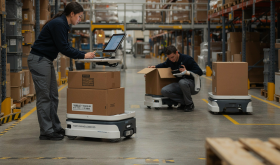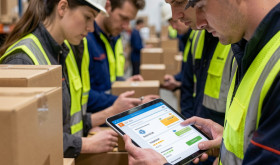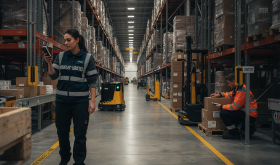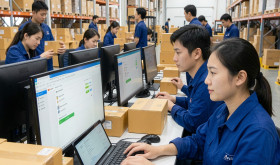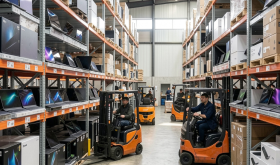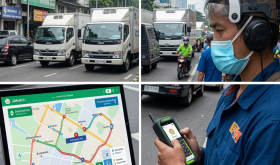
In 2026, businesses that rely on warehouses continue to face the tough reality of increasing costs and fewer available workers. These challenges are tightening profit margins and making it more difficult to maintain efficient and robust operations. In Asia and other regions, advanced warehouse management systems, such as Y3’s, have become essential tools. They provide companies with ways to handle inflation, deal with rising wages, and boost productivity on a large scale.
The economic challenge: inflation and labour pressure
In the last year, supply chains have dealt with constant inflation, rising transport fees, and regular disruptions. These challenges raise the costs of moving, storing, and delivering goods. Shipping routes now take longer and cost more, ports face worse congestion, and warehouse space has become a tighter and more expensive resource. At the same time labour markets in Asia are under pressure. The need for skilled workers in logistics and automation exceeds the number of people available, keeping wages high.
This mix of tighter profit margins and fewer workers is pushing warehouse operators to achieve more with fewer resources. They must improve speed, accuracy, and service quality without expanding their workforce or facilities. All of this takes place while they work to make quicker decisions based on data in a shaky economic environment.
Why Warehouse Management Systems Matter Today
The Warehouse Management System works as a strong digital foundation organising inventory, staff, and daily operations. It connects with existing ERP systems and other business tools, allowing all stakeholders to rely on one clear and accurate source of operational data.
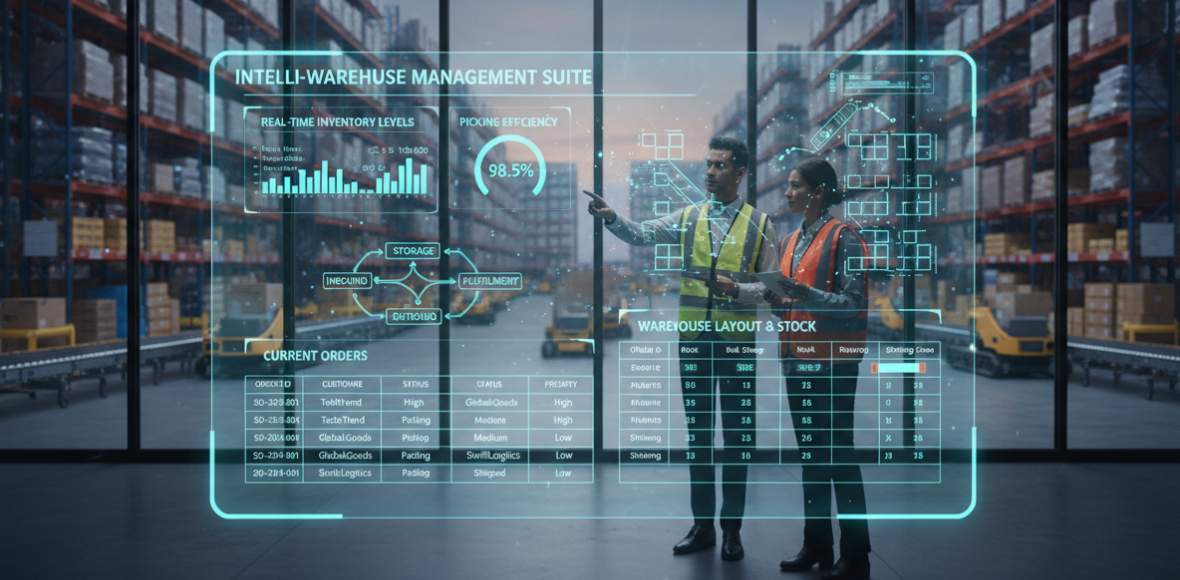
With features like live inventory tracking, automated handling of orders, and smart data insights, the Warehouse Management System helps warehouses cut down on waste, manage costs, and use every worker and every bit of space. In times of rising costs and higher wages, this level of precision helps protect profits and keeps businesses competitive over the long run.
Controlling cost through smarter inventory and space usage
A quick way to handle cost pressure is to cut down on extra inventory and make better use of space. This helps lower wasted stock, prevent write-offs, and reduce hidden inefficiencies that eat into profits. The Warehouse Management System offers live updates on inventory counts and their locations across different sites. It helps businesses see what they have, where it’s stored, and how stock is moving.
The system uses barcode and RFID tech to track each item step-by-step—from receiving to storing, picking, packing, and shipping. This data goes to a central database, making it easier to plan and restock. With this detailed view, warehouses can avoid running out of stock or hoarding too much, handle old inventory better, and make room for products that sell faster or bring in more money. All of this helps boost revenue and improve how businesses manage their working capital.
Boosting labour productivity without simply hiring more
With talent in high demand and wages rising, companies cannot depend on hiring more staff to grow their capacity. The Warehouse Management System solves this issue by simplifying and automating essential warehouse tasks. It helps current employees manage a higher number of orders with better precision and reduced physical work.
The system uses smart picking strategies like batch, wave, and zone picking. It organises tasks in a way that saves travel time while improving pick rates. It also makes processes like putaway, restocking, packing, and shipping more consistent. This lowers training time for new workers and helps avoid mistakes and rework that could be expensive. The Warehouse Management System comes with easy-to-follow workflows and simple, role-specific interfaces. This helps staff work better and reduces the impact of staff shortages or changes.
Enabling faster, data-driven decisions in uncertain times
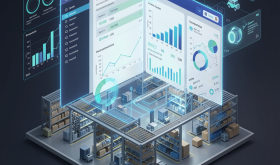
When the economy becomes unpredictable and demand keeps changing, businesses have to rely on live and reliable information instead of outdated reports or gut feelings. The Warehouse Management System provides tools like advanced analytics reporting features and custom dashboards. These tools help managers see key performance stats, inventory patterns, and where operations might be slowing down.
This information lets leaders spot where costs are creeping up, whether that happens due to slow order picking, having too much safety stock, items that don’t sell fast, or delays with carriers. With real-time and past data, companies can adjust how they organise inventory, use their workforce more, and improve service to fit changing economic needs. This shift can turn warehouses from being just a cost into a valuable part of the strategy.
Building a resilient, future-ready warehouse
As manufacturing and logistics expand in Southeast Asia, manual warehouse operations and disorganised systems will face challenges handling increasing demand and meeting customer needs. The Warehouse Management System can grow alongside businesses. It allows more users, larger inventory sizes, and new locations while maintaining efficiency and control.
Connecting with ERP, e-commerce, and transport systems, it ensures full visibility from the start of the supply chain to the final delivery. Businesses can handle challenges like port delays, shifting shipping routes, or unexpected demand jumps more. Dealing with inflation, worker shortages, and economic ups and downs makes choosing a strong warehouse management system such as Y3’s more than just making operations better. It becomes a smart way to safeguard profits, build stronger adaptability, and grow over time.
« Revolutionising Supply Chain Resilience: The Power of Real-Time Transport VisibilityY3 Order Management System: How Smart OMS Helps E Commerce Brands Beat Rising Costs in 2026 »