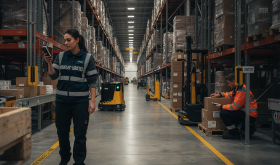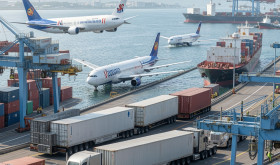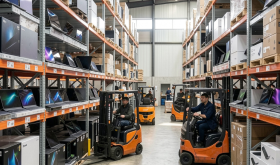
The newest US tariffs are changing how global trade works, affecting inventory methods, shipping routes, and overall costs within supply chains. Warehouses and distribution networks are finding that this isn’t just about politics; it’s bringing real challenges to how their operations and technology work. Companies now rely on modern Warehouse Management Systems as an essential tool. These systems help them adapt to the evolving tariff rules, keep profits steady, follow the law, and stay ahead in the market.
What US tariffs are doing to supply chains now
Higher tariffs on goods from China, Hong Kong, and other countries are raising costs and making companies rethink their strategies. Businesses have to decide on better ways to source their products, store them, and move them. The main impacts include:
- Higher taxes on various imports, like electronics, clothing, industrial parts, and tech goods, are lowering profits for businesses that import or sell these items.
- The removal of special tax exemptions for small parcels from China and Hong Kong means even tiny online orders now face full duties.
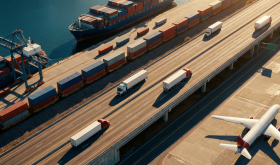
- Businesses rushed to ship goods before tariff deadlines, causing crowded ports, shipping delays, and longer processing times at US entry points.
- Many companies are shifting from relying on Chinese suppliers to adopting “China + 1” strategies, increasing manufacturing in Southeast Asia and moving some operations closer to North America.
Many companies are moving from the “just in time” method to a “just in case” approach. They are keeping more backup stocks to cope with changes in tariffs and trade uncertainties. This shift leads to managing more inventory, paying extra for storage, and dealing with more complicated multi-country warehouse systems.
Why using a Warehouse Management System is important in a tariff-heavy world
Today, a strong warehouse management system does much more than just track barcodes or organise storage locations. It works as a strategic tool linking inventory choices to tariff risks, storage expenses, and service efficiency. A modern warehouse management system helps companies achieve this goal:
- Get real-time insights across multiple warehouses to place inventory in the most budget-friendly spots.
- Boost inventory accuracy to cut down on write-offs, misplaced stock, and extra reorders that cost much more with higher duties.
- Enable flexible methods like bonded warehouses, regional hubs, and 3PL partnerships by providing reliable and trackable data.
Warehouse management system platforms serve as a critical tool to ease tariff-related cost hikes by connecting operations data with financial and customs factors.
How Warehouse Management System helps manage inventory under US tariffs
Managing inventory is one of the best ways to handle tariff expenses. This is where a warehouse management system excels. Top businesses take advantage of warehouse management system functions to:
- Focus on tariff timing: Businesses can use improved forecasting and better visibility to align shipments and build safety stock at the right times. This helps them steer clear of major duty surges while also avoiding extra stock that drains cash.
- Cut down on surplus and outdated inventory: Unsold high-tariff items in storage hit hard with both duty costs and warehouse fees. A warehouse management system provides detailed insights on SKU activity, shelf time, and demand patterns. This data can guide decisions like discounts, stock adjustments, or price cuts before the product loses value.
- Place stock near major markets: Companies rely on distributed storage strategies like inland facilities in the US to ship orders and offshore or nearby hubs to hold extra inventory. A warehouse management system gives real-time visibility into inventory at all locations, which is essential to manage these strategies.
These strategies guide companies to shift away from reacting to problems as they arise and move toward planning ahead. They transform unpredictable tariff changes into manageable decisions based on clear data.
Using Warehouse Management System visibility to handle port congestion and delays
Tariff changes often result in sudden spikes in shipments. This creates crowding at key ports and extends wait times at bonded facilities. When containers show up late, in unpredictable amounts, or out of order, warehouses further down the line can struggle to keep up.
A WMS with robust inbound tracking and connections to transport and customs systems helps operators to:
- Track which SKUs are delayed, stuck at customs, or held up at ports or bonded warehouses.
- Shift labour, dock doors, and storage areas as needed to manage sudden volume surges when freight starts moving again.
- Focus on receiving and putting away high-margin, fast-selling, or tariff-sensitive goods so they’re ready for sale sooner.
Warehouses can use real-time data to lessen the effects of upstream disruptions. This helps them keep up customer service levels even when trade flows get harder to predict.
Backing “China + 1” and nearby manufacturing strategies
Recent US tariff actions are driving businesses to move away from depending on a single country for sourcing. Many companies now rely on “China + 1” and nearshoring strategies. These shifts often lead to:
- Adding new suppliers in places like Southeast Asia, Mexico, and other areas.
- Setting up more consolidation centres and distribution hubs nearer to their main markets.
- Managing tougher origin rules, HS codes, and duty arrangements.
A warehouse management system plays a key role by streamlining operations across multiple sites. It provides one accurate view of inventory and ensures consistent performance metrics across locations. With flexible settings, it handles different rules for processing, labels, and documents depending on the product’s origin, buyer, or shipping route. This helps businesses stay compliant as they change production and storage setups.
Using 3PLs and Warehouse Management System to stay flexible
Companies now rely on 3PLs and shared warehouse networks to stay more adaptable and spend less on large investments as tariffs remain unpredictable. A modern warehouse management system, whether managed or through a 3PL, acts as the technological backbone of this strategy by:
- Offering clear visibility into inventory stored at partner facilities, both at home and abroad.
- Allowing multi-partner and multi-location operations while keeping strict control and traceability of tariff-sensitive items.
- Making advanced fulfillment strategies possible, like shipping in real time from the nearest or lowest-tariff location.
This mix of 3PL resources and warehouse management system technology lets companies stay flexible as tariffs, shipping routes, and sourcing strategies change.
Using Technology to Handle Tariff Challenges
US tariff rules have shown one clear lesson. Supply chains need to be stronger, more open, and rely on data to keep going. While businesses cannot change the rules, they can choose how they handle them. Warehouse technology plays a big part in that strategy.
By putting money into a strong warehouse management system, companies are able to:
- Cut some tariff expenses with better inventory tracking and smoother operations.
- Adjust to changes in policies or markets to avoid major interruptions.
- Adapt to new sourcing or storage methods, which are vital for a “China + 1” and “just in case” approach.
« From Rising Fuel Prices to Route Optimisation: How Y3 Transport Management System Protects Your Transport MarginsAI-Native Operations, Faster Automation, and Southeast Asia’s Micro-Supply-Chain Buildout — Through the Lens of Transport Management Systems »