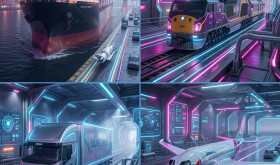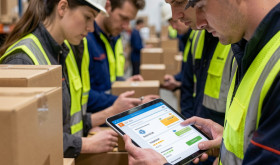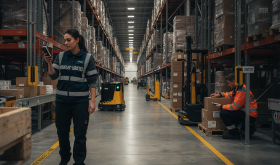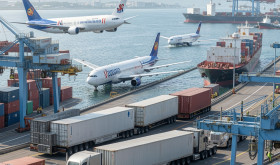
In today’s complex and unpredictable global supply chain scene, companies face many problems. These range from political conflicts and natural disasters to sudden changes in demand and shipping obstacles. To handle these rough conditions and keep their operations strong, businesses are using cutting-edge tech like transport management systems.
The Power of Real-Time Visibility
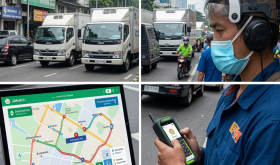
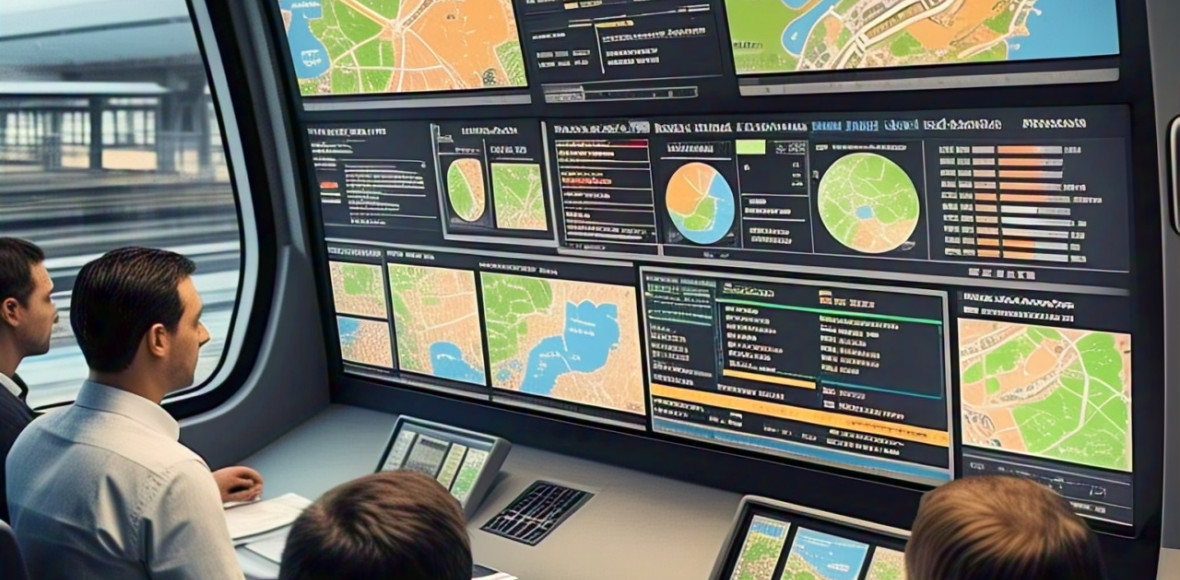
A key feature of a new transport management system is real-time tracking. By following shipments as they move, companies can see where their goods are. This allows them:
- Proactively Address Disruptions: By keeping an eye on shipments as they move, companies can spot potential problems, like traffic jams, hold-ups at ports, or bad weather. This forward-thinking approach lets them act fast, change routes, or put backup plans in place to cut down on disruptions and avoid expensive delays.
- Improve Decision-Making: Up-to-the-minute information helps companies make smart decisions. For example, if a shipment is running late, they can change its route or adjust when it’s supposed to arrive to keep customers happy. By looking at current data on things like traffic patterns, weather forecasts, and how well carriers are doing, companies can fine-tune their shipping plans and cut costs.
- Enhance Customer Service: When companies give exact and current info about shipments, it boosts customer happiness and keeps them coming back. People like it when businesses are open and give timely updates when things get tough. Being able to see what’s happening in real-time lets companies talk to customers ahead of time about possible delays or changes in when things will arrive. This cuts down on customer annoyance and builds trust.
The Role of AI and Machine Learning
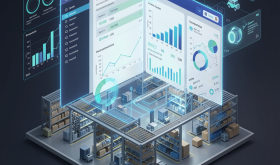
To make transport operations even better, many transport management systems are now using AI and machine learning. These cutting-edge tools can look at huge amounts of data to spot patterns, guess future trends, and do routine jobs. This leads to big advantages:
- Predictive Analytics: AI-powered transport management systems can analyse past data and current info to predict possible problems, like traffic jams or closed ports. This allows companies to act before issues occur.
- Automated Decision-Making: AI systems can handle jobs like planning loads, picking carriers, and finding the best routes. This saves time and cuts down on mistakes. AI looks at many things, including up-to-date traffic info, how well carriers perform, and when deliveries are due. It uses this to find the cheapest and fastest routes.
- Continuous Improvement: Machine learning programs keep learning and changing as things change. This keeps transport management systems working well. These programs look at old data and new feedback to find ways to get better and make shipping plans work better.
Building a Resilient Supply Chain
By using real-time visibility and AI tools, companies can create supply chains that are more flexible and can bounce back quickly. This improved strength allows them to:
- Weather Storms: By spotting and fixing possible problems, businesses can reduce the effects of unexpected events, like natural disasters or political issues.
- Seize Opportunities: Real-time visibility and forecasting tools can help businesses find and make the most of new opportunities such as fresh markets or better shipping routes.
- Deliver Exceptional Customer Experiences: By giving correct and up-to-date delivery info, businesses can boost customer happiness and keep them coming back.
To wrap up real-time transport visibility and AI-powered transport management systems play a crucial role in creating strong supply chains. When companies use these technologies, they can better handle the tricky parts of today’s supply chain scene, lower risks, and give customers great experiences.
Additional Considerations for Enhanced Supply Chain Resilience:
- Diversification of Suppliers and Carriers: Cutting back on using just one supplier or carrier can help lower the risks tied to disruptions.
- Robust Inventory Management: Good stock control can help balance stock levels, cut storage costs, and keep products on hand.
- Strong Supplier Relationships: Building close ties with suppliers can boost teamwork, communication, and quick responses to changes.
- Risk Management Strategies: Putting in place full plans to handle risks can help spot and lower possible risks, like natural disasters, political tensions, and supply chain breakdowns.
- Data-Driven Decision-Making: By using data analysis, businesses can get useful insights into how their supply chain works and make smart choices.
Companies can create tough supply chains that handle problems and do well worldwide by taking a big-picture view of supply chain control and using cutting-edge tech. This helps them stand strong in the global market.
« Curbing Chaos: How Order Management Systems Conquer the Omnichannel Fulfillment Challenge in Retail and F&BHow Warehouse Management Systems Help Warehouses Survive Tariff-Driven Cost Pressures in 2026 »