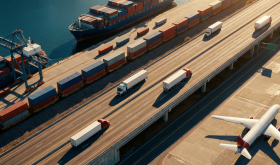
Tensions and conflicts in the Middle East are shaking up global shipping and hiking costs making supply chains uncertain. Renewed strikes and attacks now threaten key areas like the Red Sea and the Strait of Hormuz. To avoid the risks, shipping companies are steering their vessels around the Cape of Good Hope. This detour stretches delivery times by weeks and overwhelms regional ports with irregular cargo arrivals. In such chaos, warehouses along trade routes and in the region grapple with big problems. They must find ways to handle unpredictable supply patterns, keep services steady, and manage costs. A modern warehouse management system is proving to be a vital solution to tackle these struggles.
The rising challenge: disruption, delay, and cost shocks
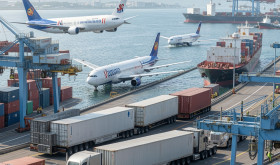
The Red Sea, Suez Canal, and Strait of Hormuz are key routes for global container trade and energy movement. Recent Houthi attacks in the Red Sea; growing tension between Iran, the US, and Israel, along with shipping companies avoiding Hormuz, have led many shipping lines to either stop using the Suez or Red Sea paths or opt for much longer routes around Africa.
The impacts on supply chains are severe:
- Travel times on major Asia-to-Europe routes are now about 30% longer, reducing the available container capacity by 9%.
- Freight costs on some Asia-Europe paths have jumped several times compared to levels before the crisis, and insurance fees have risen too.
- Port congestion and equipment mismatches are coming back as ships crowd alternative ports and timetables turn unpredictable.
Warehouses in the Middle East, Europe, and nearby areas face irregular incoming shipments, constant schedule adjustments, and challenges in organising labour, space, and stock. Without improved systems, operators may struggle with frequent shortages and service problems or end up carrying extra stock, which is costly to maintain in an already expensive and risky setting.
Why warehouses are now a resilience hub
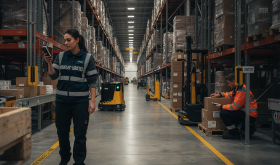
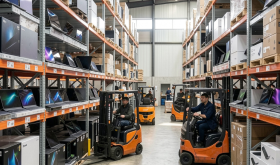
With transport systems strained, warehouses play a key role as buffers. They now take on tasks such as the following:
- Keeping more essential stock to handle long and uncertain delivery timelines.
- Plan outbound shipments more often when deliveries are delayed early or not in the right order.
- Manage a broader range of products and sales channels, including online shopping, business-to-business, and urgent or humanitarian shipments.
Meanwhile, many countries in the Middle East are dealing with growing labour expenses, limited space, and efforts to transform into global logistics centres as part of initiatives like Saudi Vision 2030. As a result, warehouses need to boost efficiency and accuracy instead of just hiring more staff or building extra facilities.
How a Warehouse Management System addresses the disruption
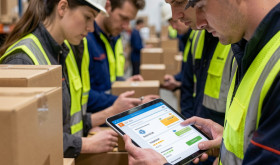
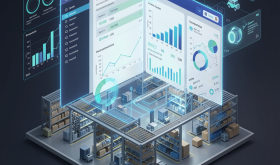
A warehouse management system helps handle tricky and ever-changing warehouse situations. It uses technology to organise and control processes, turning messy incoming and outgoing workflows into smooth, data-based operations.
Key capabilities include:
- It provides up-to-date inventory details for every location and zone so workers can track stock levels even when container arrivals get delayed or plans change.
- It manages storage spaces. It adjusts for things like re-arranging items, overflow areas, or changing storage needs when stock volumes increase or product types vary.
- It includes rules to guide receiving, storing, and picking activities. This helps prioritise tasks, like speeding up important items affected by shipping delays.
When disruptions hit the Middle East, warehouses can use every container that makes it through, speed up making goods ready to sell, and cut down on mistakes that could cause expensive fixes or missed shipments.
Smoothing unpredictable inbound flows
A big challenge caused by disruptions in the Red Sea and Hormuz is figuring out when shipments will show up. Warehouses might have stretches of downtime to face a flood of activity when a bunch of delayed ships arrive in a short window.
A warehouse management system helps operators handle this by:
- Connecting with transport and port systems to get updates on shipment schedules and changes in arrival times. It keeps inbound planning up to date as things evolve.
- Creating receiving tasks assigning docks, and organizing storage by assessing current capacity, available staff, and priority needs in real time.
- Focusing first on receiving and storing important or high-profit SKUs helps make sure they are ready for outgoing orders.
This approach helps warehouses handle unpredictable situations without stressing teams. It cuts down on extra fees and ensures that the available space is used where it is needed most.
Protecting service levels despite longer lead times
Longer shipping times and route changes are making it tougher for businesses to meet delivery promises in sectors like automotive, electronics, and FMCG that rely on precise timing. A warehouse management system helps keep service levels high in a few keyways.
Using batch tracking and expiry dates ensures perishable or time-sensitive items already delayed from shipping are managed with strict FEFO or FIFO rules. This approach helps reduce spoilage and loss.
Zone-based and wave picking help workers pick items faster. This lets warehouses complete orders when stock comes in. It also reduces how long it takes to process orders.
Connecting with the order management system and transport management system allows promised orders to be shifted around based on livestock levels and transport space. This helps deliver orders on time even when things upstream go off track.
By cutting down internal lead times, warehouses can regain some of the time eaten up during shipping delays. This helps brands and logistics companies stick to their promises to customers as much as possible.
Building resilience in MENA with Warehouse Management System and automation
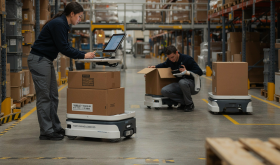
Experts in the region emphasize that systems like warehouse management systems, order management systems, and transport management systems play a key role in strengthening supply chain reliability across MENA. Automation, including robotics, sortation, and AS/RS, boosts these advantages by improving speed and reliability. However, it depends on a warehouse management system to manage tasks and make better use of resources.
In practice, this means Middle Eastern warehouses can:
- Leverage warehouse management system insights to spot bottlenecks and make smarter automation investments rather than buying tech without clear purpose.
- Combine workflows guided by a warehouse management system with robotics and automated tools to manage surges caused by interruptions to vessel schedules.
- Streamline operations at different locations like ports, free zones, and inland hubs. Build a unified network in the region that can adjust and shift inventory as risks change.
This strategy does not help the Middle East manage present disruptions but also boosts its long-term status as a key global logistics hub.
Turning crisis into a catalyst for smarter warehouses
Current events in the Middle East show that geopolitical risks have become a constant part of global trade. Companies might not control conflicts or shipping routes, but they do have control over the flexibility and intelligence of their processes. This starts with the warehouse.
By adopting a modern warehouse management system, shippers and logistics operators have the ability to:
- Get the clarity you need to plan better during long and unpredictable lead times.
- Operate efficiently with fewer mistakes, making every shipment count as it arrives.
- Connect warehousing with order and transport systems to manage the entire process more smoothly.
Shipping routes in the region might stay unpredictable for quite a while. Warehouses with warehouse management systems can act as both stabilisers and powerhouses for the supply chain. Companies investing in such systems today can strengthen their position, handle current challenges, and lead in a world that’s becoming less predictable but more connected.
« From Search-First to Agent-First: Why Fashion Brands Need a Strong Order Management SystemVietnam’s Last-Mile Shakeout: Why the Next E-Commerce Winners Will Need More Than Delivery Fleets »