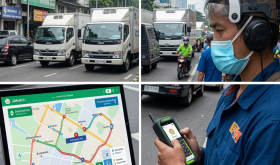

In the context of the modern competitive and increasingly complex supply chain, organistions experience the need to cut down the cost of transportation and at the same time increase the speed of delivery and the reliability of deliveries, as customer demands are growing. Transportation may be considered one of the most costly activities for manufacturers, distributors, retailers, and logistics service providers. Inefficient management of transportation operations and shipments may result in inefficient operations, high costs, delivery delays, and poor visibility across the supply chain.
That is why a transport management system is one of the most useful tools for companies seeking to organize their transportation operations efficiently. The use of a transport management system allows increasing efficiency of transportation operations, improving customer service, and cutting down logistics costs by providing a comprehensive way to plan, execute, monitor, and optimize shipment operations across transportation network of the organization.
What is a Transport Management System?
Transportation Management System is a software application aimed at optimizing and managing all the transportation activities within the supply chain. It allows organizations to coordinate shipment activities, choose carriers, plan and monitor shipments.
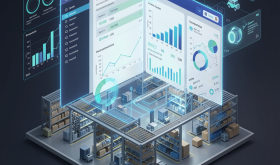
A modern transport management system is a centralised system that unites logistics departments, carriers, warehouses, suppliers, and customers in one network, allowing for intelligent decisions regarding transportation operations on the basis of real-time data.
No matter whether the shipment operations take place locally or internationally, a transport management system will help in optimising the transportation process.
Why Transportation Optimisation Matters
Transportation costs can form a big part of supply chain costs. Higher fuel costs, lack of workers, changes in customer requirements, as well as growing number of delivery items make transportation management even more difficult.
The typical transportation problems are:
- Ineffective routing
- Wasted vehicle capacity
- Late deliveries
- High fuel costs
- Negative shipment tracking
- Manually created schedules
- Unfavourable carrier performance
- Overabundance of paperwork
Without a proper transportation strategy, companies can face higher costs and lower service levels. However, with a transport management system, all stages of the transportation process will be automated and optimised.
Key Ways a Transport Management System Optimises Processes
1. Intelligent Route Optimisation
Route optimisation is one of the biggest advantages of using transport management system. Unlike manually made plans, routes can be optimized automatically, taking into account the following aspects:
- Locations where deliveries will be made
- Traffic situation
- Distance
- Vehicle capacity
- Time windows
- Driver’s schedule
Such a route will minimise distances travelled; minimise the fuel used and increase deliveries done within a certain period.
Thus, businesses will be able to increase their service level while reducing transportation costs.
2. Vehicle and Load Optimisation
Making the best use of vehicle capacity will allow companies to keep the costs of their logistics under control. A transport management system will provide companies with an opportunity to optimise shipments and consolidate loads.
Advantages of doing so are:
- Minimised wasted capacity of vehicles
- Number of trips will be minimised
- Fuel consumption will be reduced
- Increased productivity of the company’s fleet
- Better asset utilisation.
3. Automated Carrier Selection
Choosing a suitable carrier for each shipment is essential to optimise transportation costs and ensure high-quality services.
A transport management system helps to make the right decisions by considering various factors such as carrier rates, delivery lead time, level of service, capacity, and past performance
When automated, transportation planning allows logistics managers to choose the most cost-effective carrier that meets specific delivery requirements.
4. Streamlined Shipment Planning
Route planning is usually a complicated and time-consuming process that is highly susceptible to human errors. Transportation management system can automate many routine tasks involved in shipment scheduling, order batching, and route planning.
This solution can quickly process large volumes of orders while creating optimal transportation plans that help achieve business goals. In addition, it reduces the administrative burden on logistics managers so that they can focus more attention on improving customer care and other critical tasks.
5. Real-Time Shipment Visibility
Modern supply chains are highly dependent on the ability to track transportation in real-time to ensure everything runs smoothly.
A transport management system makes it possible to get an exact overview of all shipments’ locations at any given moment, providing logistics managers with multiple benefits.
These tools help in managing transportation and logistics efficiently, saving costs, and ultimately providing customers with an exceptional experience.
How a Transport Management System Helps Reduce Transportation Costs
Let’s take a closer look at what benefits a transport management system offers to businesses.
Real-Time Information on Shipments
A transport management system improves communication between transportation departments, carriers, and customers by providing the former with all shipment details at every stage of transportation.
This way, logistics managers can monitor every detail of a delivery, including location, progress, exceptions, and even potential delays.
With the ability to keep track of everything in real-time, companies can ensure they are always aware of any issues and react quickly to mitigate them before they cause serious disruptions to the transportation process.
Lower Fuel Expenses
One of the biggest expenses associated with transportation is fuel.
A transport management system enables companies to reduce their costs by optimising delivery routes, reducing idle time, and ensuring there are no unnecessary driving miles.
By cutting unwanted vehicle expenses, businesses can significantly minimise the total cost of transportation while maximising profits.
Reduced Labor Costs
Most transportation processes are time-consuming and require companies to hire a larger workforce to manage them.
However, the processes can be automated using an advanced transport management system, thereby eliminating the need to spend more on hiring additional employees.
This way, a transport management system reduces administrative tasks associated with transportation, including route planning, carrier selection, shipment scheduling, freight auditing, and delivery tracking.
All these factors significantly reduce manpower costs, allowing companies to do more with less.
Minimised Freight Costs
A transport management system gives businesses complete control over all expenditures by helping them identify the most cost-effective transportation options.
Companies can use the tools to cut freight costs by making better use of their carrier networks, avoiding any unnecessary expenses associated with transportation, and negotiating better rates.
All these features allow businesses to ensure that every shipment is planned, executed, and delivered within the most competitive freight costs.
Reduced Delivery Failures
Most delivery failures are expensive and have a significant impact on the overall cost of transportation.
They also result in dissatisfied customers due to the lack of reliable transportation services.
Failure to deliver goods on time and in good condition accounts for the majority of delivery failures.
A transport management system eliminates delivery failure risks by providing more accurate delivery estimates and improving the delivery process.
Reducing the number of delivery failures helps organizations save the cost of redelivering goods while also enhancing customer satisfaction.
Improved Asset Utilisation
A transport management system helps companies improve asset utilisation to ensure they are constantly on the road and contributing towards more income.
They do this by enabling transporters to utilize their vehicles to their maximum capacity, ensuring there is minimal waste in terms of idle time.
This way, businesses can increase the value of their assets while also maximising profits.
Enhancing Customer Service with a Transport Management System
The delivery process plays a critical role in deciding whether a customer will continue to do business with a company.
A transport management system ensures that they derive some value from the logistics process and ultimately remain as repeat buyers.
This technology allows businesses to provide their customers with better and more reliable delivery services by ensuring their shipments are delivered on time.
Furthermore, it gives logistics managers the ability to provide customers with better delivery updates, which can be vital in improving the overall customer experience.
Companies can also benefit from a transport management system’s ability to ensure there are minimal delivery delays, enabling them to better manage customer expectations in the process.
All these factors contribute towards enhancing the overall delivery experience, which is critical in building long-term relationships with customers.
Data-Driven Decision Making
A transport management system offers extensive analytics and reporting options, providing businesses with the intelligence they need to maximise the benefits of every transportation leg.
Companies can use the tools to analyse the different costs associated with transporting goods from one point to another or assess overall performance based on specific metrics, such as carrier performance or on-time delivery rates.
All these insights enable logistics managers to determine where they should make improvements to ensure they are achieving the best value for every delivery.
Conclusion
A transport management system is a powerful tool that enables companies to manage shipments more efficiently.
This technology has proven to give businesses full control over the transportation process while also maximising profits by helping them optimise delivery routes and minimise costs.
In addition, a transport management system helps in providing customers with the best possible experience by ensuring that goods are delivered reliably, on time, and within budget.
As a result, businesses can achieve higher customer satisfaction while also eliminating poor delivery expenses at every stage of the delivery process.
The ultimate result of using a great transport management system is that companies are in a position to reap incredible profits at the end of the day.
A transportation management system is essential in ensuring that the supply chain processes are efficient at all times.
It enables businesses to reduce costs in several areas, including minimising freight and fuel expenditures and lowering manpower needs.
These technologies are also useful in giving logistics managers access to vital information that will assist them in executing every step of the delivery process smartly.
For companies looking to invest in the latest and best technology available in the market, a transport management system is the way to go.
« Order Management Systems Defined: What Is an OMS?Warehouse Management System: Key to Efficiency and Logistics Control »