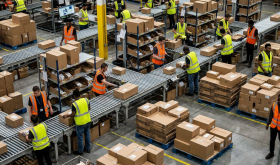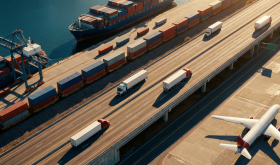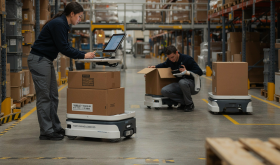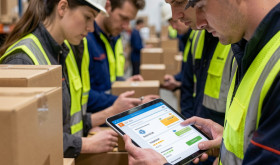
The transport management system is an important technological solution through which the physical movement of cargo is managed by any organization. In the modern business environment where supply chains are increasingly becoming complex and customer demand for faster delivery is increasing, a transport management system plays a vital role in making companies efficient and competitive. The transport management system allows the companies to plan, execute, and optimize the transportation process.
It does not matter whether it is an SME or a large company; it must adopt the transport management system in order to be successful in this highly competitive environment.
What Is a Transport Management System?
The transport management system is a technological platform through which the transportation process of any organisation is planned and optimised. Through this solution, the organisations plan, manage, and track their shipments. The transport management system allows organizations to choose suitable carriers and plan and execute shipments.
In other words, the transport management system links all parties involved in logistics, such as shippers, carriers, freight forwarders, and customers.
For instance, a company dealing with logistics and delivering packages within the Southeast Asian region can use a transport management system to automate the assignment of freight transportation tasks to the appropriate carriers, thereby optimising the route taken to minimise cost.
Why Businesses Need a Transport Management System
The present-day supply chains are becoming more dynamic with multiple transportation channels, trade laws on an international level, and variable demand patterns. Managing such complexities is difficult and may be prone to errors in the absence of the transport management system.
There are several advantages that a company gets with a transport management system:
- Greater visibility throughout the whole transportation cycle;
- Saving on expenses due to better optimization of routes and carriers;
- Performance improvement and increased satisfaction of the customers;
- Regulatory compliance;
- More efficient work due to automation.
For SMEs, the transport management system makes the work in the logistics sector easier and allows for the development without the need to allocate large amounts of labour resources. For enterprises, it allows managing huge amounts of cargo with great accuracy.
Key Features of a Transport Management System
Features of an effective transport management system include a comprehensive list of capabilities that help manage end-to-end transportation.
Shipment planning and optimisation
The system identifies the optimal route and mode of transport with regard to cost, time, and capacity.
Carrier management
With a transport management system, companies can compare carrier rates and rate performances and choose logistics carriers that fit best.
Freight execution
The system automates shipment scheduling, documentation processes, and communication with carriers.
Real-time visibility and tracking
Companies have real-time visibility of their shipments and update their clients with relevant information.
Freight audit and payment
The system verifies freight bills and ensures correct billing of transport.
Analytics and reporting
The transport management system provides advanced reports on transportation expenses, delivery times, and efficiency.
How a Transport Management System Works
Transport management system functions through several interrelated processes, which help to manage transportation.
- Order integration
Order information is obtained by the transport management system through ERP, warehouse management system, or e-commerce.
- Planning and optimisation
It performs shipment planning and optimisation.
- Carrier selection and booking
Carrier selection is done according to certain criteria, and the shipment is booked.
- Execution and tracking
Shipment is executed, and updated tracking information is provided.
- Delivery and confirmation
Proof of delivery is provided, and the order is confirmed.
- Freight settlement
Invoices are audited and paid.
Through this process there is proper coordination between planning, execution, and finance processes.
Benefits of a Transport Management System for SMEs
In the case of SMEs, the implementation of a transport management system will be very helpful in improving their performance.
Cost savings
Through optimisation of routes and consolidation of shipments, SMEs will minimize their transport expenses.
Accuracy
Automation helps to avoid any manual mistakes in shipment planning and preparation.
Scalability
Through a transport management system, SMEs will be able to take on more shipments as their business grows.
Enhanced customer experience
Real-time tracking and delivery schedules will help to improve the experience of the customers.
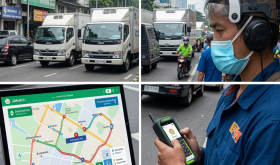
For example, a small e-commerce company can benefit from using the transport management system for managing last-mile deliveries.
Benefits of a Transport Management System for Enterprises
These companies have logistics challenges that need effective solutions.
Global Visibility
A transport management system offers global visibility for freight that passes through different locations and by different carriers.
Optimal Network Performance
It enables the designing of effective transportation networks without any wastage of time.
Data-driven Insights
Effective data analytics help in better decision-making.
Regulatory Compliance
It assists in regulatory compliance regarding international trade laws and documentation.
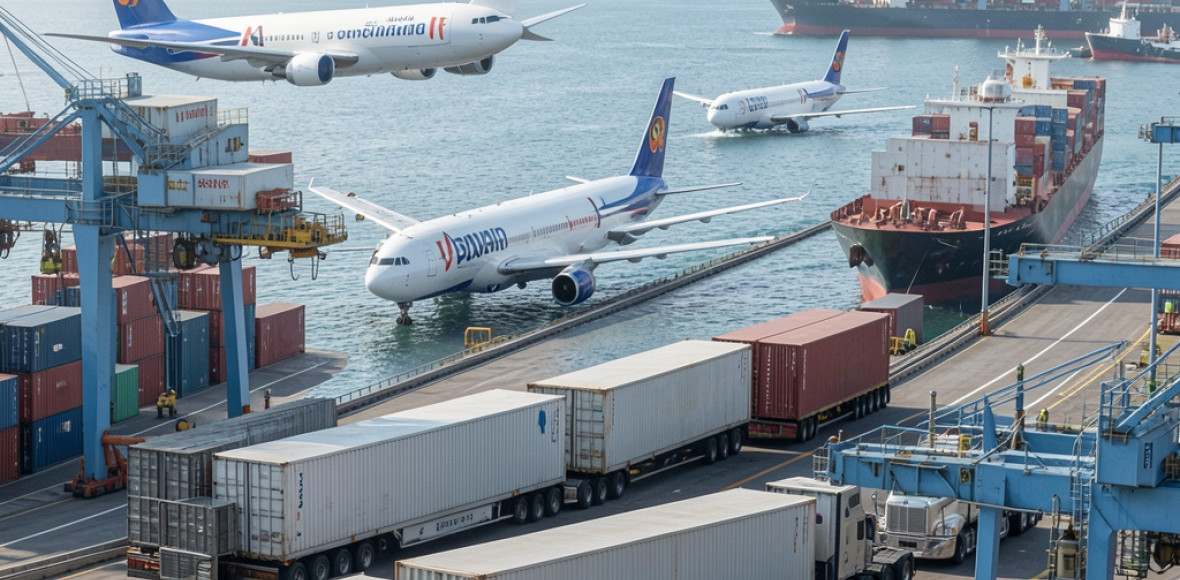
For instance, a multinational corporation is able to utilise a transport management system for coordinating its inbound and outbound logistics in different countries.
Cloud-Based vs On-Premises Transport Management Systems
A company is able to select a transport management system from cloud-based solutions and on-premises solutions based on its requirements.
Cloud-Based Transport Management System
- Lower initial costs
- Faster deployment
- Scalable and flexible
- Transport Management System
On-Premises Transport Management System
- High level of customisation and control
- Higher costs initially and subsequently
- Appropriate for companies that need high data security
The popularity of cloud-based transport management systems because of the benefits they offer.
Integration with Other Systems
The transport management system can bring out its greatest value through integration with other enterprise systems.
Enterprise Resource Planning (ERP)
Brings about synchronisation of logistics operations with financial information.
Warehouse Management System (WMS)
Allows for synchronisation of warehouse operations and transportation planning.
Order Management System (OMS)
Facilitates a smooth order-to-delivery process.
Telematics and IoT Devices
Helps track and monitor vehicles and cargo in real time.
Challenges in Implementing a Transport Management System
Even with the benefits it offers, adopting a transport management system may come with some difficulties.
Integration complexities
The integration of the transport management system into the current systems may prove difficult.
Data quality
Accuracy in data is necessary for successful planning and optimisation.
Change management
The employees need to get accustomed to the new systems.
Initial investment
This might be an obstacle for some companies.
For overcoming these difficulties, businesses need to have a strategic approach.
Future Trends in Transport Management Systems
The development of transport management system technologies is influenced by new technologies and new needs of the market.
Artificial intelligence and machine learning
Transport management systems based on AI technologies allow forecasting demand, optimizsing routes, and automating decision-making processes.
Real-time visibility and predictive analytics
Improved capabilities for tracking of operations provide proactive information about possible disruptions.
Sustainability initiatives
Companies apply transport management system technologies to minimise carbon footprint due to the optimisation of routing and loading processes.
Autonomous and connected vehicles
The integration of transport management system technologies with innovative technologies of the automobile industry is the key future of transport management systems.
Digital freight platforms
Development of digital freight platforms changes the approach to working with carriers.
Choosing the Right Transport Management System
Choosing the proper transport management system calls for critical analysis of the needs of a company.
The major considerations to take into account involve the following:
- Suitability for future business growth
- Smooth integration with other systems
- User-friendly interface
- Sophisticated analytics and reporting facilities
- Vendor expertise and support
For SMEs, costs and user-friendliness matter more than for enterprises.
Conclusion
The transport management system is a vital element for contemporary supply chain functions. The system allows companies to optimise the logistics processes, minimize expenses, and enhance the levels of service delivery in a highly competitive environment.
With real-time monitoring, automation, and analytics, the transport management system offers business organisations the possibility to handle logistics tasks effectively. For small or medium enterprises aiming at scaling their operations or large-scale businesses handling international operations, using an efficient transport management system can be a very wise decision.
As the logistics market changes constantly, the organisations that are using the transport management system will be able to handle all logistics requirements.
« Order Management System for SMEs and Enterprises: A Complete GuideWarehouse Management System: Optimising Inventory, Operations and Logistics »