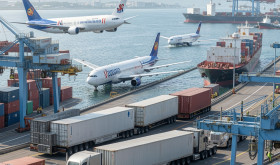
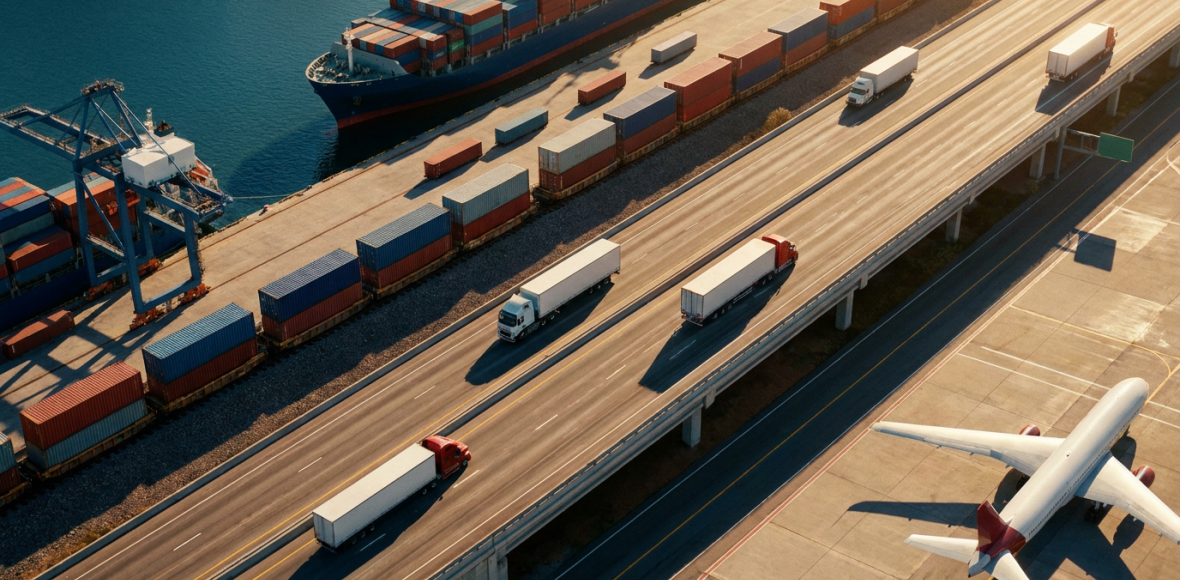
Transportation plays a critical role in any supply chain. Whether a company is transporting raw materials to a factory, distributing goods to retail stores or shipping directly to customers after an e-commerce purchase.
A business’s ability to execute its transport operations plays a crucial role in cost, quality and customer service.
As companies’ supply chains grow in complexity, it becomes increasingly important to enhance their control and visibility over transportation.
A transport management system enables businesses to effectively plan, execute, monitor and optimise transportation of goods.
It is used by manufacturers, traders, logistics service providers, freight forwarders, wholesale distributors, shippers and third party logistics providers.
A transport management system can support various transportation modes, such as road, maritime, air and rail.
Using a transport management system provides numerous advantages, including enhanced visibility over shipments, optimised delivery routes, lower transportation costs and improved delivery performance.
What is a Transport Management System?
A transport management system, or TMS, is a solution that enables businesses to plan, execute, monitor and optimise the transportation of goods.
A TMS supports the movement of goods from one place to another through planning, execution, monitoring and analysis.
A TMS is utilised by manufacturers, retailers, distributors, e-commerce businesses, logistics service providers, freight forwarders, wholesalers, and third-party logistics providers.
The software is used to manage transportation of goods and can support various transportation modes.
How does a transport management system work?
A TMS typically manages transportation from the planning process through to delivery and performance analysis.
The software may receive an order or shipment request, and based on its shipment size, delivery destination, due dates, available carriers, capacity and cost, it can help determine how the shipment should be transported.
A typical transportation process may involve:
- Receiving the shipment information
- Identifying delivery requirements
- Evaluating transport options
- Planning routes and loads
- Allocating a carrier or vehicle
- Dispatching the shipment
- Monitoring transportation progress
- Recording delivery details
- Tracking freight costs
- Assessing transportation performance
By digitising these processes, businesses can improve efficiency while reducing the amount of manual coordination required.
Why businesses need a transport management system
Transportation can represent a significant portion of overall logistics costs.
Without proper planning, businesses can experience unnecessary mileage, low vehicle utilisation, delivery delays, high freight charges and lack of visibility over shipments.
These transportation issues become more challenging to control as the number of shipments increases.
A TMS provides businesses with enhanced control over transportation by offering an integrated solution that provides the relevant operational information in one place.
Instead of managing transport through disconnected processes, companies can effectively coordinate their shipments, vehicles, carriers, routes, schedules and delivery requirements using an integrated system.
This is particularly essential for businesses that operate their supply chains across multiple warehouses, distribution centres, stores, suppliers and customer locations.
Key benefits of a transport management system
- Enhanced transport planning
One of the primary benefits of a transport management system is improved transport planning.
Transport planners often need to consider numerous factors when arranging a delivery, including:
- Delivery locations
- Shipment sizes
- Vehicle capacity
- Delivery time windows
- Driver availability
- Traffic conditions
- Customer requirements
- Transportation costs
A TMS can help planners evaluate these factors and develop more efficient transport plans.
Improved planning can result in lower mileage and better utilisation of available vehicles and transportation resources.
- Optimised delivery routes
Inefficient routing can lead to longer journeys, higher fuel consumption and delayed deliveries.
A TMS supports route optimisation, enabling businesses to identify more efficient delivery sequences and routes.
Instead of planning deliveries individually, companies can consolidate several shipments in to practical delivery routes, resulting in reduced distance driven, improved vehicle utilisation and enhanced delivery performance.
Route optimisation can be particularly beneficial for businesses that manage large numbers of daily deliveries.
- Reduced transportation costs
Transportation costs can significantly impact a business’s bottom line, and there are a number of factors that contribute to overall transportation costs, including: fuel costs, carrier costs, tolls, driver costs, vehicle maintenance and administration expenses.
An efficient TMS can help businesses reduce transportation costs through enhanced planning and better utilisation of transportation resources.
For example, businesses can consolidate several smaller shipments in to large loads and compare carrier alternatives to find the most suitable service.
Improved visibility over transportation costs helps organisations identify unnecessary costs.
- Improved shipment visibility
Businesses and customers expect to know where their shipments are and when they can expect them to arrive.
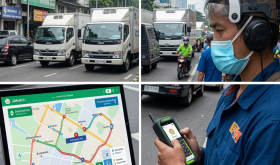
A TMS can provide improved visibility over the delivery process.
Depending on the capabilities of the software, businesses may be able to track:
- Shipment status
- Vehicle location
- Estimated arrival time
- Delivery progress
- Delays and exceptions
- Proof of delivery
This information helps logistics teams respond more quickly to any issues.
Enhanced visibility also helps companies communicate effectively with their customers.
- Increased delivery performance
Late deliveries can negatively impact customer satisfaction and create delays further down the supply chain.
A TMS helps businesses to control and manage delivery schedules more effectively.
Transport teams can monitor planned and actual delivery times, identify any potential delays and take corrective action where required.
Through performance analysis, companies can learn about recurring issues that impact delivery performance and enhance their transport planning processes.
This will enable businesses to improve their on-time delivery rates and provide a better service.
Transport management system vs. Fleet management system
A transport management system can be used in combination with a fleet management system.
The two solutions target different areas of transportation.
While a TMS is focused on managing the movement of goods, a fleet management system is concerned with managing and maintaining the company’s fleet of vehicles.
Fleet management activities may include:
- Vehicle maintenance
- Fuel management
- Driver management
- Vehicle inspections
- Mileage tracking
- Compliance
The TMS may be responsible for determining what needs to be delivered and how best to plan and execute it, while the fleet management solution monitors the condition of the vehicles that carry the deliveries.
Transport management system vs. Warehouse management system
A warehouse management system, or WMS, controls a warehouse’s operations, including receiving, storage, picking, packing, and dispatch preparation.
The TMS focuses on what needs to happen when the goods move from one location to another.
For example, a WMS may confirm that an order has been picked and packed, and then the TMS can be used to schedule the shipment and monitor the delivery.
Connecting the two systems can improve coordination between the warehouse and delivery teams and ensure that shipments are not held up at the warehouse.
Transport management system vs. Order management system
An order management system, or OMS, controls the management of customer orders from purchase to fulfilment.
A TMS is concerned with the transportation required to deliver the order.
The two systems can be integrated together.
For example, once the OMS has confirmed that an order is ready to be fulfilled, the information can be sent to the TMS, which can determine how the order should be transported and delivered.
Integrating order, warehouse and transportation systems can enable businesses to achieve end-to-end visibility over the order fulfilment process.
Key features of a transport management system
Different transport management systems offer various functionalities.
Businesses must carefully consider their transportation needs to determine what TMS capabilities are essential.
Some common features include:
Transport planning
The system must help businesses organise shipments in accordance with the delivery requirements and available capacity.
Route optimisation
Route planning tools can help identify the most efficient delivery routes and sequences.
Carrier management
Companies that work with external logistics service providers may need to manage several carriers.
A TMS can help businesses compare, monitor and manage their transport options.
Shipment tracking
The ability to track the progress of shipments enables logistics teams to have increased operational visibility.
Freight cost management
A TMS can help businesses calculate, record, compare and analyse their transportation costs.
Proof of delivery
Digital proof of delivery can provide confirmation that goods have been delivered to the customer.
Reporting and analytics
Analytics can enable logistics managers to evaluate their transportation performance and look for areas of improvement.
Reports may include delivery performance, transportation cost, vehicle utilisation, route performance and carrier assessment.
How a transport management system enhances supply chain efficiency
Supply chains involve various activities, most of which are connected through transportation.
For example, goods may need to move from suppliers to factories, factories to warehouses, warehouses to stores, and stores or distribution centres to customers.
A company’s ability to manage transport operations effectively can have a major influence on the supply chain performance.
Poorly managed transportation can result in delayed deliveries, impacting inventory availability, production schedules and customer orders.
A TMS can help companies control the movement of goods more efficiently, enabling them to coordinate various activities more effectively.
Enhanced transport planning can also support inventory management.
For example, improved delivery schedules may help to reduce the amount of safety stock required at certain locations.
Increased visibility of transport operations can also help warehouses to prepare for shipments.
As a result, businesses must consider transportation management as an integral aspect of supply chain management.
Transport management system for small and medium sized businesses
A TMS is not only beneficial for multinational organisations.
Small and medium sized businesses can also reap the rewards of enhanced transportation management.
An SME may initially use spreadsheets and messaging applications to manage delivery planning, but as the number of customers increases, it may find that this process is no longer effective.
Issues can include:
- Coordinating multiple delivery requests
- Rising transportation costs
- Poor delivery visibility
- Inefficient delivery routes
- Manual data entry
- Tracking transport performance
Implementing a transport management system provides businesses with a more systematic approach to delivery management.
A company can start with basic functions such as delivery planning and shipment tracking, and then integrate more advanced capabilities as it needs them.
Choosing the right transport management system
Prior to investing in a TMS, businesses must evaluate their transportation processes to understand what capabilities they require.
Important questions to consider include:
- How many shipments does the business move per day?
- What types of goods does the business transport?
- What transportation modes does the business use?
- How many delivery destinations does the business have?
- Does the company operate its own fleet or utilise external logistics service providers?
- How are the company’s routes planned?
- How are transportation costs calculated?
- What systems need to be integrated?
- What transportation issues does the company experience?
Companies must also consider growth.
The system that is required today will probably not be sufficient in a few years’ time as shipment volumes, delivery destinations and transportation processes become more complex.
Measuring the success of a transport management system
After a company has implemented a TMS, it should assess whether the software is enhancing transportation performance.
Some important metrics to consider include:
- On-time delivery rate
- Transportation cost per shipment
- Transportation cost per unit
- Vehicle utilisation rate
- Average delivery time
- Empty mileage
- Delivery failure rate
- Number of transport exceptions
- Carrier performance
- Customer delivery satisfaction
The future of transport management systems
Businesses are becoming increasingly reliant on data analytics to help improve processes and drive efficiencies.
As a result, future advancements in transportation technologies are likely to generate more data and provide logistics managers with greater visibility over their operations, enabling them to make better decisions.
Advancements in transport management system technology are likely to include greater use of artificial intelligence, predictive analytics, real-time vehicle data and Internet of Things devices to optimise transportation.
In addition, automated delivery, route optimisation, dynamic delivery scheduling, electronic documentation and sustainability reporting are also likely to gain traction.
Using artificial intelligence, transport planners can analyse large volumes of data to identify opportunities to enhance transport planning. For example, a system can provide recommendations based on live traffic data and delivery requirements.
Sustainability reporting can help companies analyse data relating to fuel consumption, vehicle utilisation, distance driven and emissions to identify ways of reducing the carbon footprint of their logistics operations.
Conclusion
A transport management system helps businesses to oversee one of the most critical and complex areas of the supply chain.
By enabling organisations to achieve enhanced transport planning, optimised delivery routes, increased shipment visibility, reduced transportation costs and improved delivery performance, a TMS can provide numerous advantages.
These benefits become increasingly important as companies’ transportation networks become more complex.
Whether a business manages its own vehicles, works with external logistics service providers, or uses a combination of both, it can improve its control over transportation by investing in an efficient TMS.
As supply chains become increasingly complex and customers demand a higher level of service, organisations that are able to leverage the power of effective transport management will have a competitive advantage over their peers.
« Warehouse Management System: Key to Efficiency and Logistics ControlOrder Management System for Retailers »