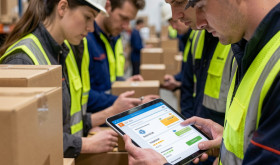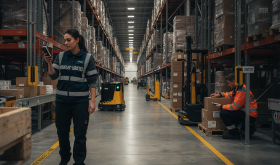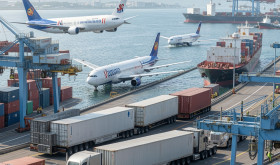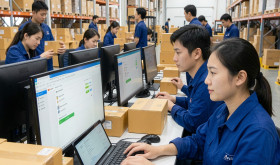
The logistics world has unequivocally changed. The new reality for global supply chain networks is consistent instability. Supply chain planners are no longer preparing for temporary snags but for perpetual disruptions. Geopolitical tensions, the accelerated pace of nearshoring initiatives into Mexico and Eastern Europe, and constantly fluctuating freight rates mean that traditional, disparate shipping methods won’t suffice anymore.
For businesses operating today, managing an extensive, fragmented network with numerous shipping lanes, carriers, and regional centres is the ultimate logistics test. A lack of integrated, manual spreadsheet processes cannot keep up with today’s ever-changing environment. Building a truly resilient operation and guarding thin profit margins requires a strong, foundational digital platform: a smart transport management system.
The Core Challenge: Escalating Network Complexity and Fragmented Data
Most logistics networks have morphed into hyper-complex, multi-node systems. The dominant risk mitigation imperative has caused companies to shift away from the single, global hub model and diversify both their supplier base and freight flows among several regional transit routes.
Although regionalisation helps prevent a complete, single point of failure within the logistics network, it has brought a significant operational pain point: fragmented data.
[[Fragmented Sourcing] ──> [Multiple Regional Carriers] ──> [Siloed Tracking Data] ──> [Reactive Decisions]
As transportation data is dispersed among various carrier portals, third-party logistics (3PL) applications and internal enterprise resource planning (ERP) systems, visibility plummets. These forces supply chain managers into a reactive stance – learning of port delays, missed border crossings or sudden capacity shortages hours or days after the fact. The lack of immediate visibility initiates a costly domino effect:
- Excessive safety stock build-up to protect against risk.
- High spot market freight costs paid to cover delayed shipments.
- Deterioration of customer trust due to delivery delays and unreliable lead times.
A key to addressing this problem is to move from historical cost-reaction techniques to proactive cost and route predictions, which require integrated, central execution via an advanced transport management system.
How a Transport Management System Restores Control
An advanced transport management system acts as a single operational control tower over a whole freight network. By creating a direct connection to carriers, warehouse management systems and purchasing departments, the transport management system eliminates disparate processes in favour of a centralised hub for planning, execution and optimisation.
┌──> Automated Carrier Selection
│
[Centralized TMS Engine] ──┼──> Dynamic Multi-Modal Routing
│
└──> Real-Time Freight Auditing
- Automated Procurement and Smart Carrier Selection
In today’s unpredictable environment, manually negotiating the purchase of freight capacity via phone calls or endless email chains is not efficient. A transport management system streamlines the procurement process through automatic tendering of shipments to pre-approved carriers based on various factors – service level, cost, contract terms or reliable transit history. In instances where the first-choice carriers are unable to fulfil orders due to sudden capacity shortages, the transport management system can automatically tender the loads to backup or vetted spot market carriers to minimise lead time disruptions without manual input.
- Dynamic Multi-Modal Route Optimisation
Choosing a shipping route simply because it’s the usual one leaves a business exposed to unexpected delays and excessive costs. A transport management system analyses various shipment parameters, such as dimensions, weight, delivery deadline and changing fuel costs, to map out the most efficient multi-modal transit strategy. This includes deciding whether to combine several smaller shipments into a single Less-Than-Truckload (LTL) run or switch shipments from unpredictable ocean routes to more stable road and rail corridors.
- Integrated Real-Time Visibility
True visibility means much more than simply tracking estimated times of arrival (ETAs). A modern transport management system collects continuous telematics and Internet of Things (IoT) data from both vehicles and ocean vessels. If extreme weather conditions or border traffic jams put a particular shipping corridor at risk, the transport management system flags the exception. Early notification allows planners to instantly reroute freight or alert downstream facilities to the problem before it can turn into a significant disruption to factory operations.
Quantifying the Financial and Operational Impact
Beyond merely being an IT system, implementing a transport management system is a tangible contributor to cost reduction. When businesses move from manual processes to optimised, systemic executions, they achieve substantial and quantifiable improvements across their P&L.
| Logistics Metric | Traditional Manual Management | Optimised Transport Management System Performance |
| Freight Spend Reduction | High reliance on spot market; no automatic carrier auditing. | 5% to 12% savings via optimised routing and automated procurement. |
| Carrier Utilisation | Low consolidation; high empty-mile rates on return trips. | Maximum load capacity and systemic backhaul matching. |
| Exception Handling | Reactive firefighting after a delivery window is missed. | Proactive alerts allowing real-time rerouting during transit disruptions. |
| Freight Audit Accuracy | High rate of unverified line-item fees and billing errors. | Automated 3-way match between quote, delivery receipt, and final invoice. |
The True Cost of Inefficiency: Industry estimates indicate that as much as 15% of all freight invoices contain an error or an uncontracted accessorial charge. By providing a three-way match for each shipment, a transport management system completely eliminates these “leaks” in the auditing process, protecting the bottom line.
Key Features to Seek Out in a Next-Generation Transport Management System
When looking into a transport management system to tackle the complexity of a global network, make sure the solution you select has capabilities that go beyond simple lane booking. A resilient logistics network requires the following:
API-First Architecture: A modern API integration framework ensures real-time data exchange and immediate visibility as opposed to reliance on older, static EDI.
Predictive Analytics and Scenario Planning: The platform should employ machine learning for modelling various transit routes based on historical data, enabling the prediction of bottlenecks and simulation of different scenarios for the most appropriate choice.
Strong Multi-Modal Flexibility: The system needs to be able to orchestrate a wide range of transport modes, including air freight, ocean freight, road (FTL/LTL), and last-mile parcel deliveries within a single system.
Intermodal Carbon Tracking: As environmental regulations become more stringent globally, the capability to track emissions on a shipment-by-shipment basis is no longer optional. A high-functioning transport management system assists in recommending more sustainable transit modes such as modal shifts from road to rail, for instance.
Conclusion: Toward a More Agile, Future-Ready Supply Chain
The fundamental structural changes occurring in the global logistics network necessitate an overhaul in operational thinking. In a global landscape where volatility is a given, continuing to employ fragmented and manual planning approaches to logistics operations presents a distinct competitive disadvantage.
An advanced transport management system serves as a unified platform for end-to-end visibility, automated execution, and ongoing optimization to turn challenges within a complex logistics network into a competitive advantage. Centralising logistics data and automating routine decisions frees up logistics teams to focus on creating strategic resilience within the network and ensuring the seamless and efficient transit of goods, regardless of future disruptions.
« Decoding the Fulfillment Crisis: How a Warehouse Management System Tames the Chaos of Omnichannel DistributionVietnam Retail’s Omnichannel Challenge: Why an Order Management System Is Now Essential for Growth »