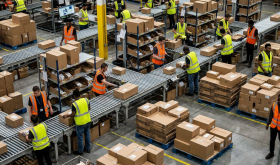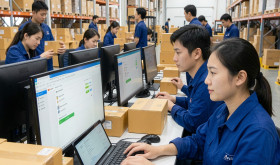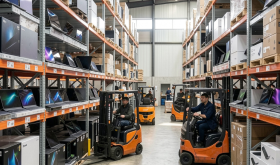
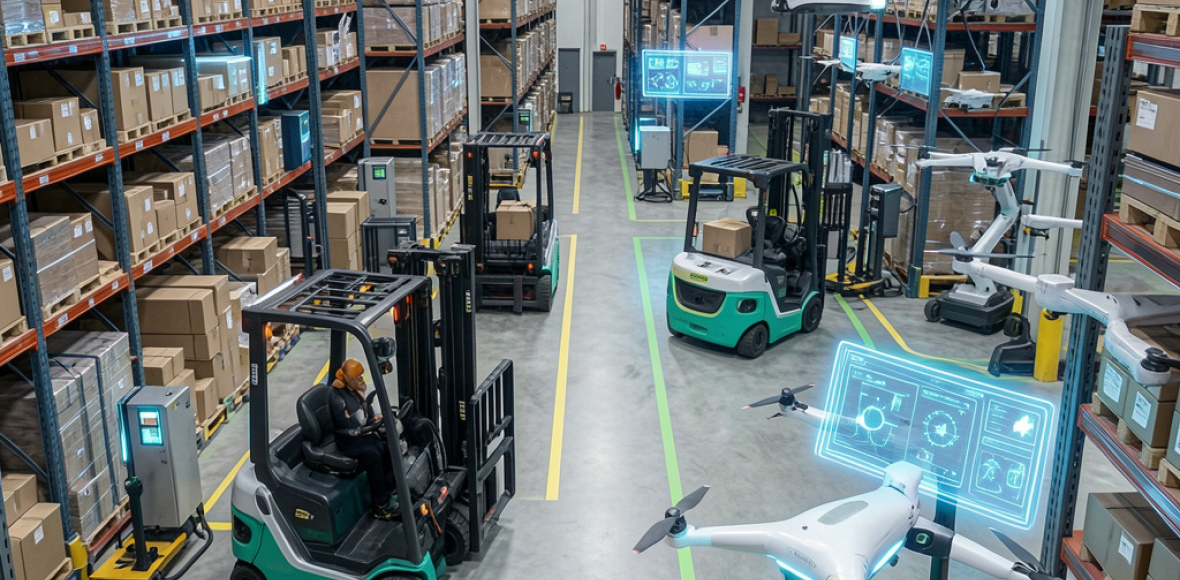
Here is what a warehouse management system is. A warehouse management system is a software solution that helps businesses manage, control, and optimise daily warehouse operations.
A warehouse management system gives companies visibility and control over the entire warehouse process. From receiving goods and tracking inventory to picking, packing, shipping, and returns, the warehouse management system is essential for businesses.
In today’s fast-moving business environment, warehousing is no longer just about storing products. It has become a part of customer experience, supply chain performance, and business profitability. Customers expect stock availability, fast delivery, reliable fulfilment and transparent order updates. At the time businesses need to reduce costs, improve manpower productivity, and handle increasing operational complexity.
This is where a warehouse management system becomes essential. A modern warehouse management system helps businesses move away from records, spreadsheets, and disconnected processes. It creates a foundation for managing stock, people, processes, equipment, and information in a more structured and efficient way.
What is a warehouse management system?
A warehouse management system is a platform designed to manage the movement, storage, and handling of goods within a warehouse or distribution centre. It helps businesses know what stock they have, where each item is located, how goods are received, how orders are picked, and when products are shipped.
A warehouse management system can be used by manufacturers, distributors, retailers, e-commerce businesses, third-party logistics providers, and companies operating warehouse locations. Whether a business handles materials, finished goods, spare parts, consumer products, food items, or online orders, a warehouse management system helps ensure inventory is managed accurately and efficiently.
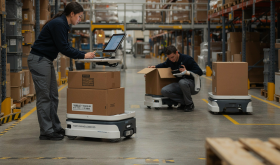
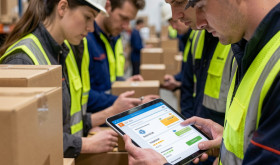
In simple terms the warehouse management system acts as the operational brain of the warehouse. It tells warehouse teams what to do, where to go and how to complete each task. Instead of relying on paper instructions or manual checking, warehouse staff can use barcode scanners, mobile devices, RFID technology, handheld terminals or automation systems to complete tasks faster and with fewer errors.
Why is a warehouse management system important?
Warehouse operations are becoming more complex because businesses are managing more products, more sales channels, more delivery expectations, and more customer requirements. Without a system, warehouse teams may struggle with inaccurate inventory, misplaced stock, slow picking, wrong shipments, and poor visibility.
A warehouse management system helps solve these problems by creating real-time visibility across warehouse operations. Managers can see stock levels, order status, inbound goods, outbound shipments, staff productivity, and warehouse performance from a system.
This visibility is important because warehouse mistakes can be expensive. A stock error may lead to overselling. A picking mistake may result in deliveries. Poor space utilisation may increase storage costs. Slow fulfilment may affect customer satisfaction. Over time these issues can reduce profitability. Weaken customer trust.
With a warehouse management system, businesses can standardise warehouse workflows. Reduce dependency on individual staff knowledge. This makes operations more consistent, scalable, and easier to manage. As the business grows, the warehouse can handle volumes without losing control.
Key features of a warehouse management system include
* Inventory management
* Receiving management
* Put-away optimisation
* Order picking
* Packing management
* Shipping management
* Reporting and analytics
These features support operations and help businesses manage their warehouses more efficiently.
Benefits of using a warehouse management system include the following:
* Improved inventory accuracy
* Higher productivity
* Improved order fulfilment accuracy
* Cost reduction
* Better decision-making
A warehouse management system also supports decision-making. Managers no longer need to wait for updates or end-of-day reports. They can access data quickly and make better decisions on manpower planning, stock replenishment, warehouse layout, and order prioritisation.
Warehouse Management System and E-Commerce Fulfilment
For e-commerce businesses, a warehouse management system is especially important. Online customers expect delivery, accurate orders, and easy returns. They also expect stock availability shown online to be accurate. Without a warehouse management system, it becomes difficult to manage high order volumes, multiple sales channels, and fast-changing inventory.
A warehouse management system can connect with e-commerce platforms, marketplaces, order management systems, and transport solutions. This allows businesses to manage inventory across stores update stock availability automatically, and fulfil orders from the most suitable warehouse location.
A warehouse management system is also useful for handling returns. In e-commerce returns are part of the customer journey. The system can help warehouse teams inspect returned items, update inventory, classify product condition, and decide whether the item should be restocked, repaired, disposed of or returned to the supplier.
How a Warehouse Management System Supports End-to-End Supply Chain Operations
A warehouse management system supports end-to-end supply chain operations. It is often part of a supply chain ecosystem that includes transport planning and optimization solutions, order management, dock management, automated billing, customer portals, inventory planning, and business intelligence.
When properly integrated, a warehouse management system helps connect warehouse operations with downstream supply chain activities. For example, inbound goods can be linked to supplier orders, warehouse stock can be linked to customer orders, and outbound shipments can be linked to delivery planning.
This creates visibility across the supply chain. Businesses can see what is coming, what is available, what is being processed, what has been shipped, and what may require attention. This level of visibility is essential for companies managing distribution, multiple warehouses, cross-border fulfilment or complex customer requirements.
Warehouse Management System vs Inventory Management System
Many businesses confuse a warehouse management system with an inventory management system. While both are related, they are not exactly the same.
An inventory management system mainly focuses on tracking stock levels, stock value, and product availability.
A warehouse management system goes deeper into warehouse execution. It manages where items are stored, how goods move inside the warehouse, how orders are picked, how staff perform tasks, and how shipments are processed.
Choosing the Right Warehouse Management System
When choosing a warehouse management system, businesses should consider their needs and future growth plans. The right warehouse management system should fit the company’s warehouse processes while also supporting expansion.
Important factors include ease of use, scalability, integration capability, reporting functions, mobile access, automation support, and vendor experience. The system should be user-friendly enough for warehouse staff to adopt quickly. Powerful enough to manage operational complexity.
Businesses should also assess whether the warehouse management system can support warehouse locations, different customer requirements, barcode scanning, batch tracking, expiry management, automation equipment, or advanced reporting. The best warehouse management system is not always the complex one. It is the one that matches the business model and can grow with the company.
Common Signs That a Business Needs a WMS
A business may need a warehouse management system if their inventory records are often wrong, staff spend much time looking for stock, orders are often late, or customers complain about getting the wrong things.
Other signs that a business needs a warehouse management system include having a hard time managing multiple warehouses, not being able to see what is happening with stock, relying too much on paperwork, having slow processes for getting new stock, not having enough information, and having high warehouse costs.
When these problems happen all the time, it usually means that the warehouse has gotten too big for processes. Implementing a warehouse management system can help bring order, visibility, and control into the warehouse management system.
The Future of Warehouse Management Systems
The future of warehouse management systems is moving towards being smarter using automation and being able to predict things. Things like intelligence, robotics, machine learning, and real-time information are changing how warehouses work.
Keeping track of what happens in the warehouse, future warehouse management systems will help predict what people will want, suggest where to put stock, find the best way to pick stock, assign tasks automatically, and find problems before they happen.
As businesses start using artificial intelligence in their supply chain operations, warehouse management systems will become even more important. They will not manage what happens in the warehouse but also help make smarter decisions about the whole supply chain.
For example, warehouse management systems that use artificial intelligence may help predict when the business will be busiest, suggest how many staff to have, find unusual patterns with stock, and suggest the best way to get things to customers. When combined with automation, robotics, and advanced information, the warehouse of the future will be faster, smarter, and better able to handle problems.
A warehouse management system is no longer something that’s just nice to have. It is something that businesses need to have to improve how the warehouse works, make sure stock is accurate, get orders right, and have visibility of the supply chain.
By implementing the warehouse management system, businesses can reduce mistakes, improve productivity, lower costs, and provide better service to customers. In a business environment where speed, accuracy, and visibility matter more than ever, a modern warehouse management system provides the foundation for more resilient warehouse operations.
Whether a business is managing e-commerce orders, regional distribution, manufacturing inventory, or third-party logistics operations, a warehouse management system can help change the warehouse from a cost to an advantage for the supply chain of the business and the warehouse management system.
« Vietnam Retail’s Omnichannel Challenge: Why an Order Management System Is Now Essential for GrowthHow an Order Management System can Transform the Order Management Experience »