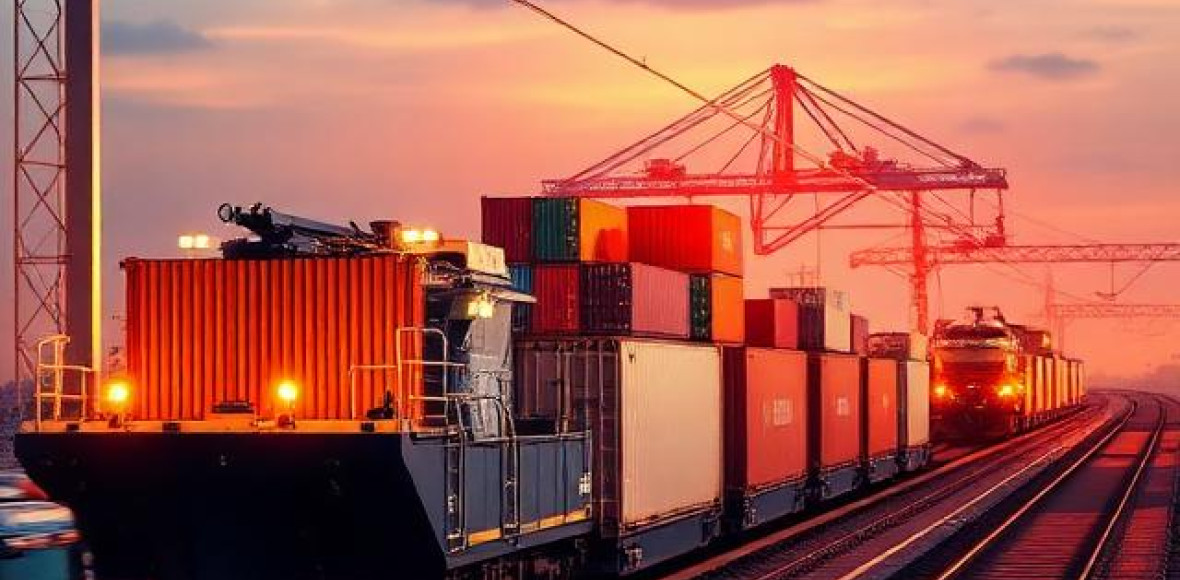
Cambodia is now at an important turning point for its transportation system. Its railway network, made up of the Northern Line linking Phnom Penh to the Thai border and the Southern Line connecting to the deep-sea port in Sihanoukville, has been more of a historical artifact than a useful economic tool for years. Trains running at speeds of just 30 to 50 km/h make the 612 kilometres of track less competitive compared to the convenience of road travel.
A big change is happening. Cambodia has big plans to become a leading logistics hub in the region. To support this vision, the government is investing $4 billion to bring in high-speed trains and improve infrastructure across the country. Building the railway tracks is just the starting point, though. Experts say solving Cambodia’s “high cost of doing business” also needs a smart digital system. This means combining the railway’s physical components with a strong transport management system to get the job done right.
The Strategic Push for a Modern Cambodia Railway
Cambodia’s logistics sector is a mix of big opportunities and heavy expenses. The country’s GDP grew by around 6% in 2024 and 2025, showing strong economic progress. Yet trade and logistics remain expensive compared to other parts of Southeast Asia. These high costs feel like a constant “tax” on exports and reduce the global competitiveness of Cambodian goods like garments and agricultural products.
The government’s solution comes in the form of the Cambodia Railway Modernisation project. They plan to improve the current railways so trains can reach speeds up to 160 km/h while connecting to the Pan-Asian Railway network. This shift focuses on taking heavy goods off the roads and putting them on trains. Moving freight this way is crucial to cut carbon emissions and make land transport sustainable. These steps are part of Asia’s broader goal to reach net-zero emissions by 2050 (Kistamah & Matsuo 2025).
The Logistics Challenge: Why Hardware Isn’t Enough
Constructing a high-speed rail line takes huge engineering efforts. Yet the lack of digital coordination can leave it as a missed opportunity. In earlier times, railway logistics struggled with “information silos.” The port, the rail operator, and the customer couldn’t see or share updates on cargo location or status.
In Cambodia’s growing market, the “bullwhip effect” in supply chains grows worse due to unreliable lead times. When a shipment faces delays at the Sihanoukville Autonomous Port, the absence of live data results in unused trains or packed warehouses. Such inefficiencies play a huge role in keeping trade costs high, which has long slowed Cambodia’s ability to integrate into global trade (Keo et al. 2025).
The Role of a Transport Management System in Modern Rail
A transport management system is not just a nice-to-have in regional logistics anymore; it has become essential for survival. As Cambodia updates its infrastructure, using a transport management system gives businesses the digital tools they need to handle complicated transport involving multiple modes.
- Real-Time Visibility and Freight Tracking
A key benefit of a modern transport management system lies in its ability to offer 99% accuracy when it comes to tracking freight and inventory (Rudakova et al. 2021). For Cambodia’s railway system, this lets a grain exporter in Battambang know when their container gets loaded onto a train, how it moves toward the capital, and when it’s expected to reach the port. This kind of visibility cuts through the confusion in the supply chain and helps businesses plan.
- Optimising the “Last-Mile” and Multimodal Integration
Railways do not operate on their own. Almost all goods start and finish their trip on trucks. A transport management system works well in “multimodal optimisation” by coordinating rail and road transport. A transport management system helps logistics companies align truck arrivals at rail terminals so that “cross-docking” happens. This saves time and avoids keeping goods in costly storage (Bakioglu 2025).
- Reducing the Cost of Services
Adding rail transport to a logistics provider’s supply chain lowers the cost of delivering services to customers (Zhuzhgova & Ruf, 2022). A transport management system simplifies freight rate calculations, customs paperwork, and fuel charge management through automation. In Cambodia, where administrative challenges often increase business expenses, an automated TMS cuts down on mistakes and quickens the “clearing” procedures.
Digitalisation: The Competitive Edge in ASEAN
Cambodia aims to leave the “Least Developed Country” category by 2029. To achieve this, its logistics industry needs to match the level of nearby countries. Thailand and Vietnam are progressing by using “electronic trading platforms” that allow electronic tracking and ordering (Zhuzhgova & Ruf 2022).
If Cambodia wants its $4 billion rail project to work, it needs to adopt a “common digital environment.” A transport management system helps Cambodian companies use the same digital systems as their international partners. This matters even more for the Belt and Road Initiative (BRI) efforts. These projects connect the Silk Road’s economic belt with sea routes (Khan 2024). Cambodia could become a “bottleneck” in the fast-moving regional network without a transport management system.
Sustainability and “Logistics Engineering”
Today, transport is more than just moving goods around. It’s all about logistics engineering. This focuses on managing assets and infrastructure carefully to minimise risks and cut down on environmental damage (Rudakova et al. 2021).
Switching freight from trucks to trains could help Cambodia cut carbon emissions in a big way. Rail transport uses less energy and can move more goods than road freight (Bakioglu 2025). A transport management system plays a key role here. It keeps train operations efficient by filling trains to their maximum capacity, avoiding situations where trains run without carrying any cargo—known as the “empty mile” issue.
Conclusion: The Digital Future of Cambodian Rail
Updating Cambodia’s railways shows bold ambitions. It reflects a country aiming to shift from a developing market to a key trade centre in the Mekong region. But building stations and laying tracks alone will not guarantee the full success of the Northern and Southern lines.
The real opportunity lies in connecting the infrastructure using a transport management system. A transport management system provides more than technology. It gives instant updates, lowers running costs, and combines various transport modes. This system transforms basic railways into powerful supply chains.
As Cambodia revives the “Iron Silk Road,” the message to businesses is simple. Tracks are just the start, but it is the power of data that will shape the journey ahead.
« Vietnam’s Last-Mile Shakeout: Why the Next E-Commerce Winners Will Need More Than Delivery FleetsAI in APAC Logistics and Air Cargo: Why the Warehouse Management System Matters More Than Ever »